


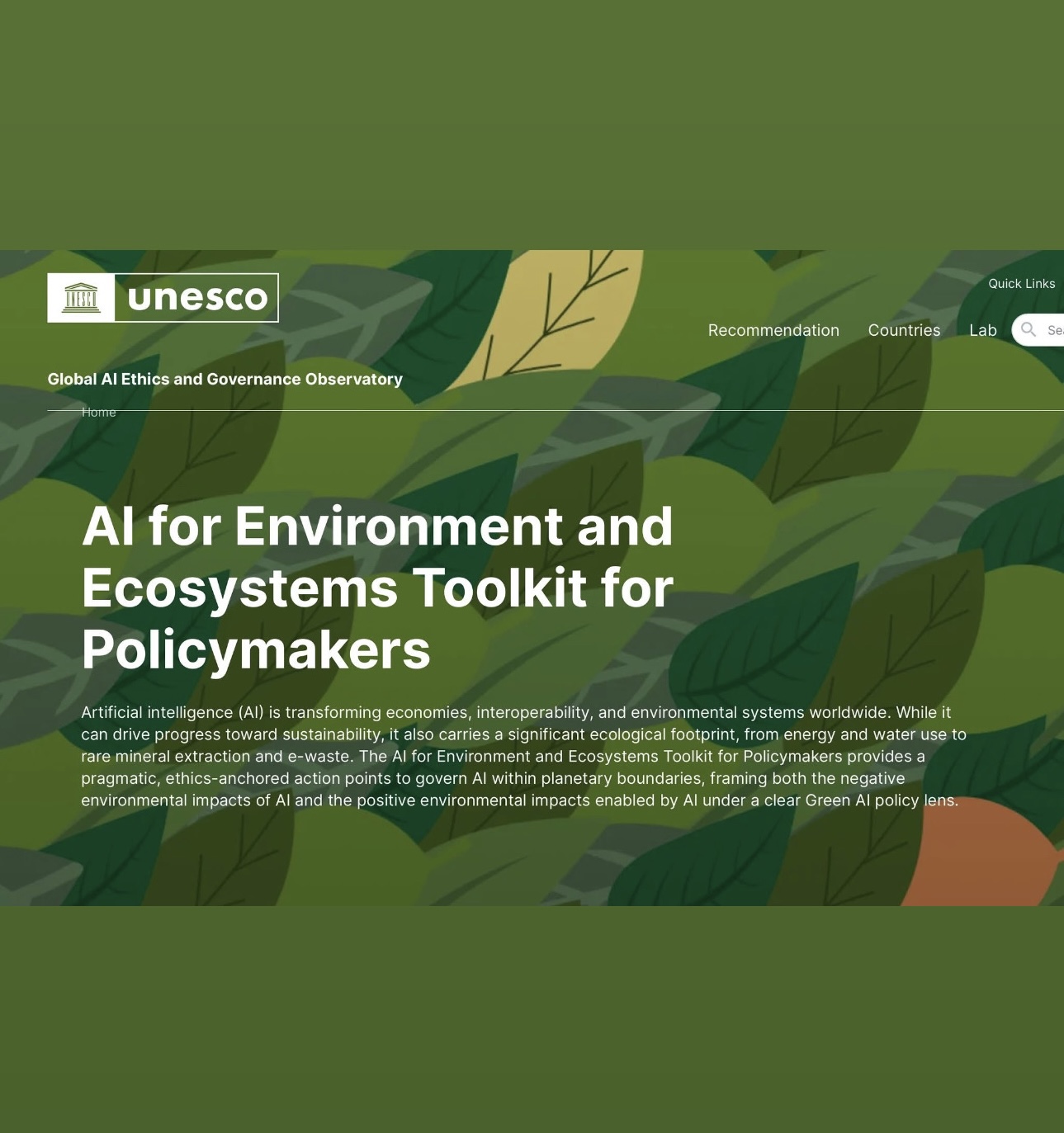
UNESCO AI for Environment and Ecosystems Toolkit for Policymakers
UNESCO-MOST BRIDGES is pleased to share the UNESCO AI for Environment and Ecosystems Toolkit for Policymakers that was launched in the last week of April, 2026, by UNESCO.
UNESCO-MOST BRIDGES is pleased to share the UNESCO AI for Environment and Ecosystems Toolkit for Policymakers that was launched in the last week of April, 2026, by UNESCO.
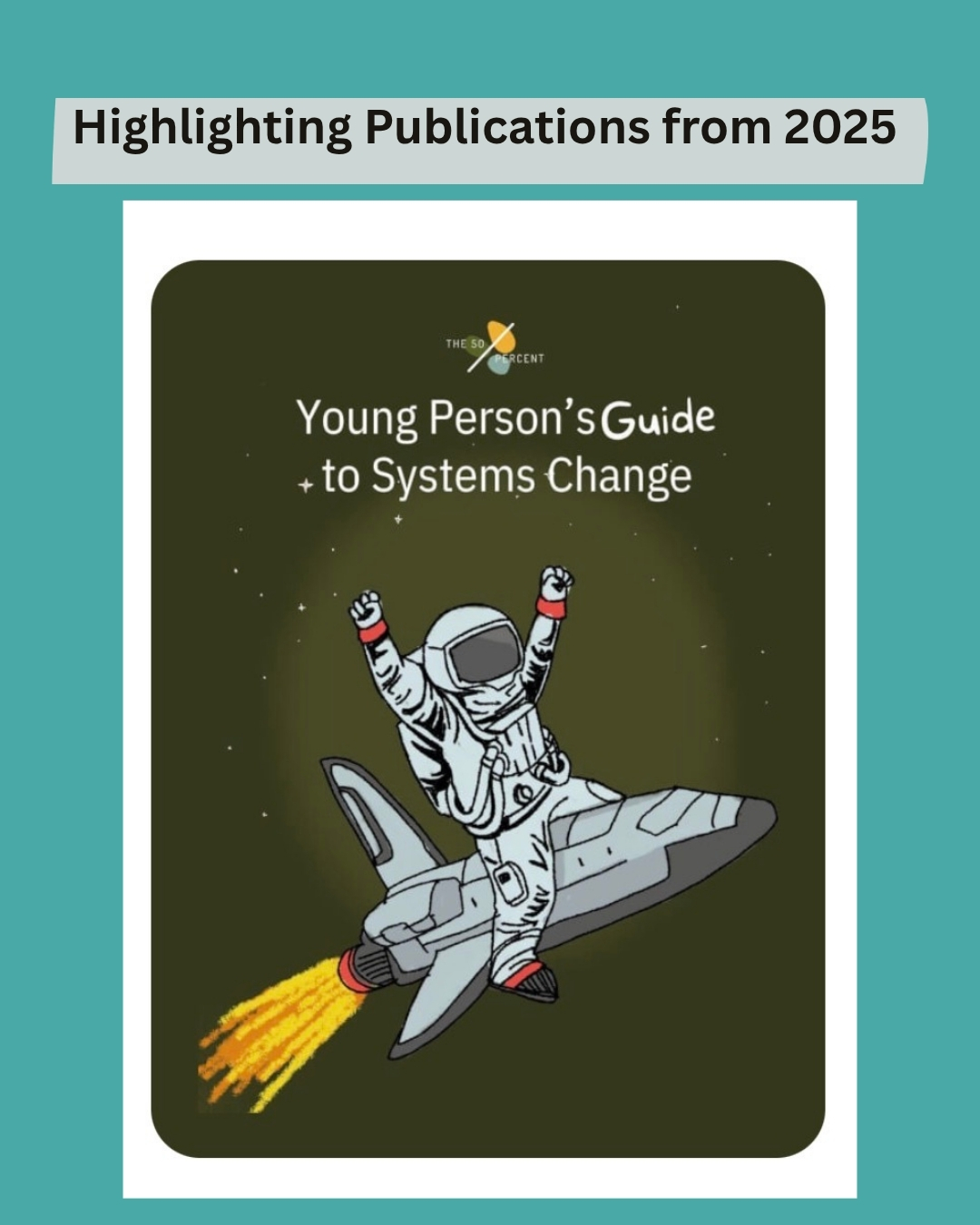
As part of our ongoing series highlighting pivotal works released in 2025, we turn our attention to a foundational resource designed for the next generation of global stewards. The Young Person’s Guide to Systems Change, produced by The 50 Percent, a platform for young leaders supported by The Club of Rome, serves as both a manifesto and a practical toolkit for navigating the complexities of current times.
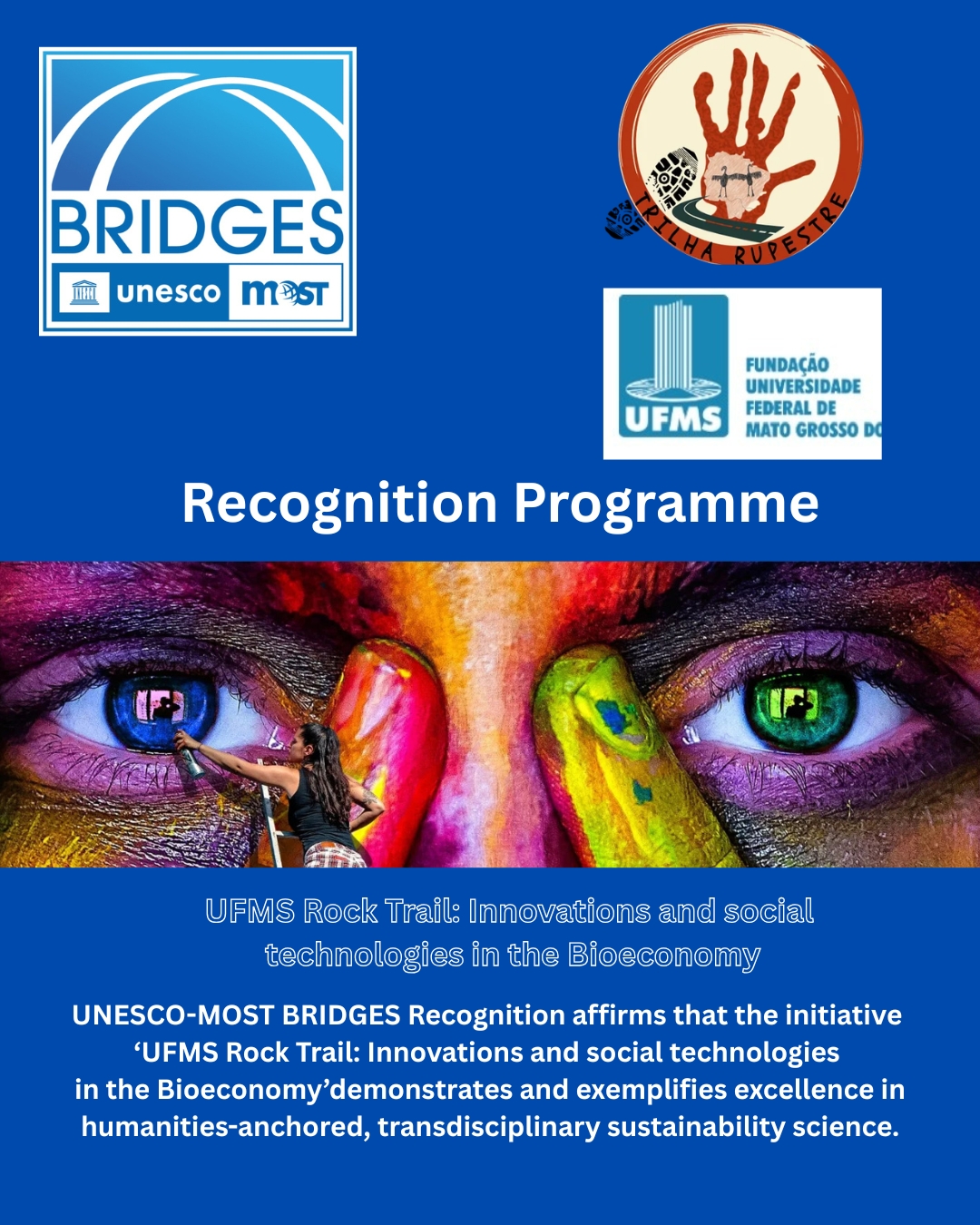
The UNESCO-MOST BRIDGES Coalition is proud to announce the formal recognition of ‘UFMS Rock Trail: Innovations and social technologies in the Bioeconomy’ as an outstanding initiative in humanities-anchored, transdisciplinary sustainability science.
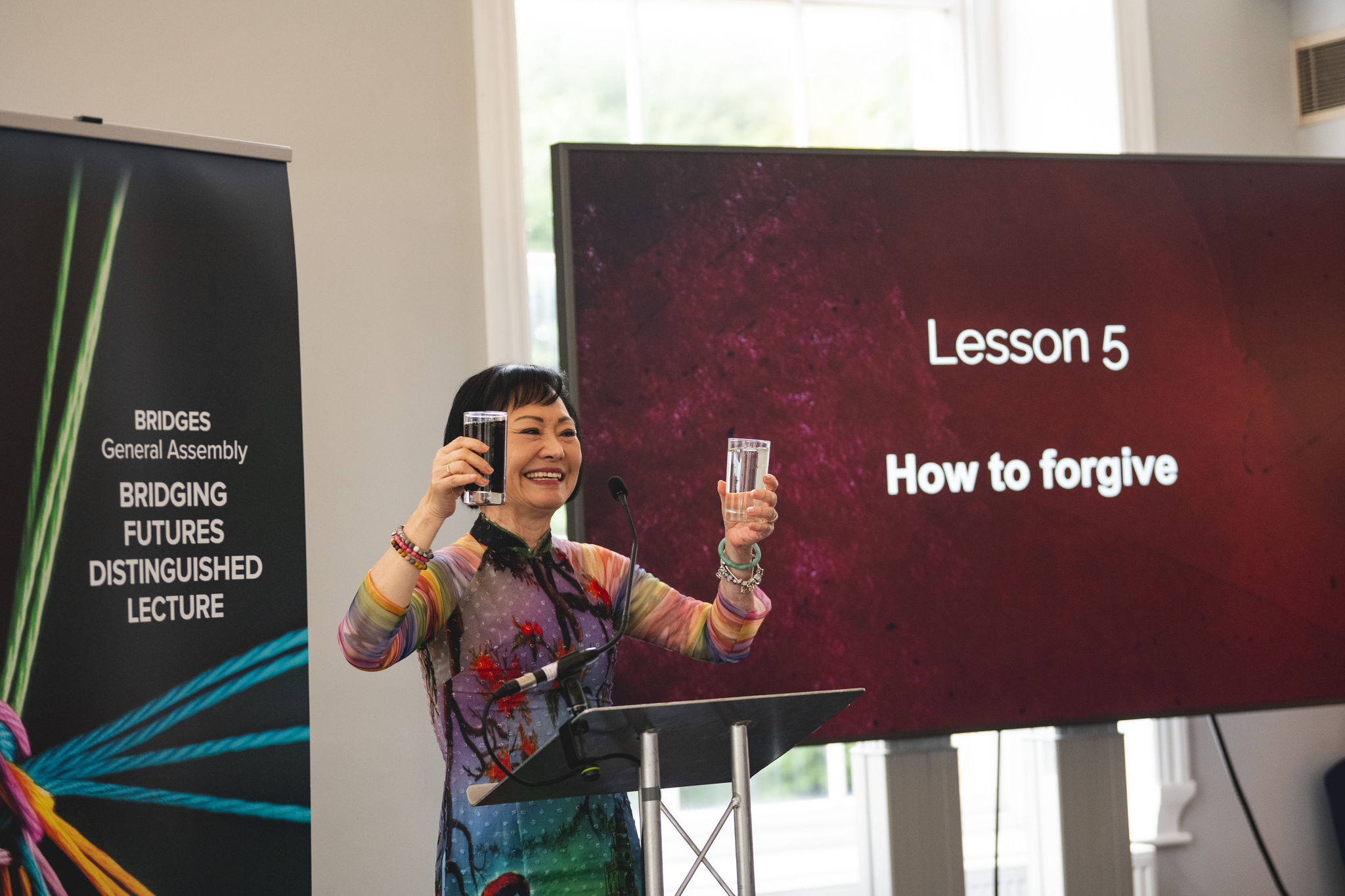
Looking back at the Bridging Futures General Assembly event and more specifically, in this account, the inaugural Bridging Futures Lecture. At the heart of the programme was a deeply moving and widely praised lecture by UNESCO Goodwill Ambassador Phan Thị Kim Phúc. Known internationally as the ‘Napalm Girl’ from the Pulitzer Prize-winning photograph of the Vietnam War, Kim has since become a powerful advocate for peace, reconciliation, and forgiveness.
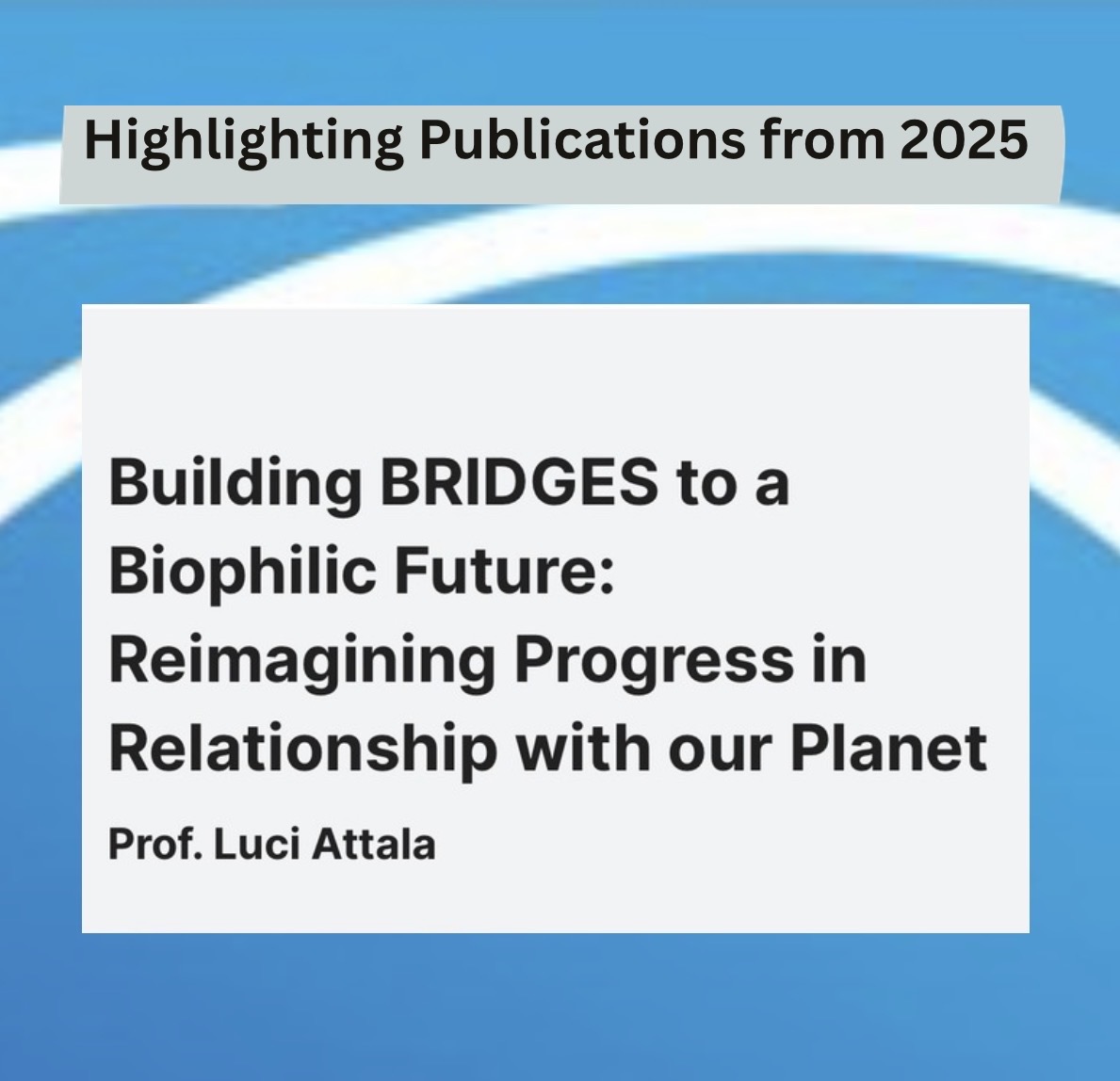
We are pleased to highlight a significant contribution to the global dialogue on sustainability and progress, by Prof. Luci Attala, Deputy Executive Director of UNESCO-MOST BRIDGES. This compelling thought piece titled “Building BRIDGES to a Biophilic Future: Reimagining Progress in Relationship with our Planet” featured in UNESCO’s Futures Literacy and Foresight Collection, challenges the traditional metrics of success and offers a transformative framework for navigating our current era of "poly-crises."