BRIDGES UK Hub, University of Wales Trinity Saint David
The University of Wales Trinity Saint David Hub represents the United Kingdom in the UNESCO Bridges
Coalition.
Wales and the Welsh government’s forward thinking with regards the environment, sustainability, climate
change, culture, community, and the future stands out in UK politics. With UWTSD’s focus on interfaith,
intercultural peace promotion, Materialities and future generations, the UWTSD Hub aims to find new ways to
generate discussion, stimulate research and produce strategies that allow multi-species, more-than-human
communities to negotiate a new safe and fair pathway into our shared futures.
A Welsh hub not only fills a regional opening but also coupled with UWTSD’s newly aligned focus on the
promotion of peace, it provides an additional dimension to the fullest notion of what sustainability might
look like.
“What Wales is doing today, the world will do tomorrow.”
– Nikhil Seth, UN Assistant Secretary General
Meet our Hub Staff
We’re a dynamic group of individuals who are passionate about what we do and dedicated to delivering the
best results for our clients.
Luci Attala
Deputy Executive Director of UNESCO-MOST BRIDGES Coalition and Director of the UK BRIDGES Hub at UWTSD. She is an Associate Professor in Anthropology with a focus on Environmental Anthropology (Water) and New Materialities.
Louise Steel
Director of research at the UK BRIDGES Hub at UWTSD. She is a Professor of Mid Eastern
Archaeology with a focus on clay and New Materialities.
Sophie Spooner
Senior Administrative Officer and Communications Lead, responsible for administration, coordination and communications of the UK hub.
Daniel Priddy
Sustainability Advisor.
Lymarie Rodriguez
Research Assistant working on 'AHRC Mission Award for REPAIR: Retrofitting for the Future, nature based solutions'. Lead on the Well-being of Future Generations Pledge.
Catrin Bradley
Project Officer, working closely with the Directorate and UNESCO-MOST, supporting projects within the IPO and UK Hub.
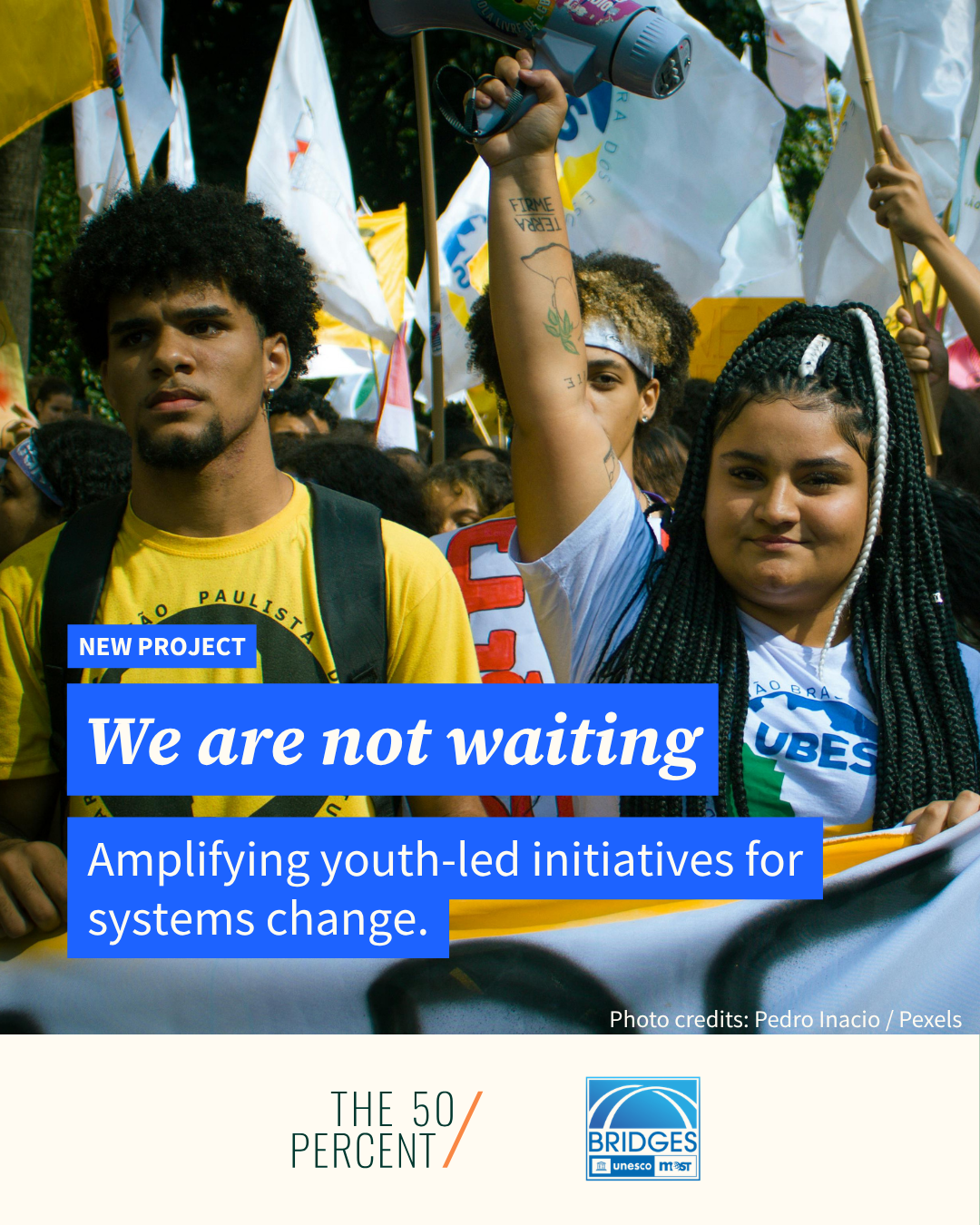
We are not waiting is a joint initiative by the UNESCO–MOST BRIDGES UK Hub and The 50 Percent at the Club of Rome, with two linked outputs: a youth-led webinar series and an accompanying anthology.
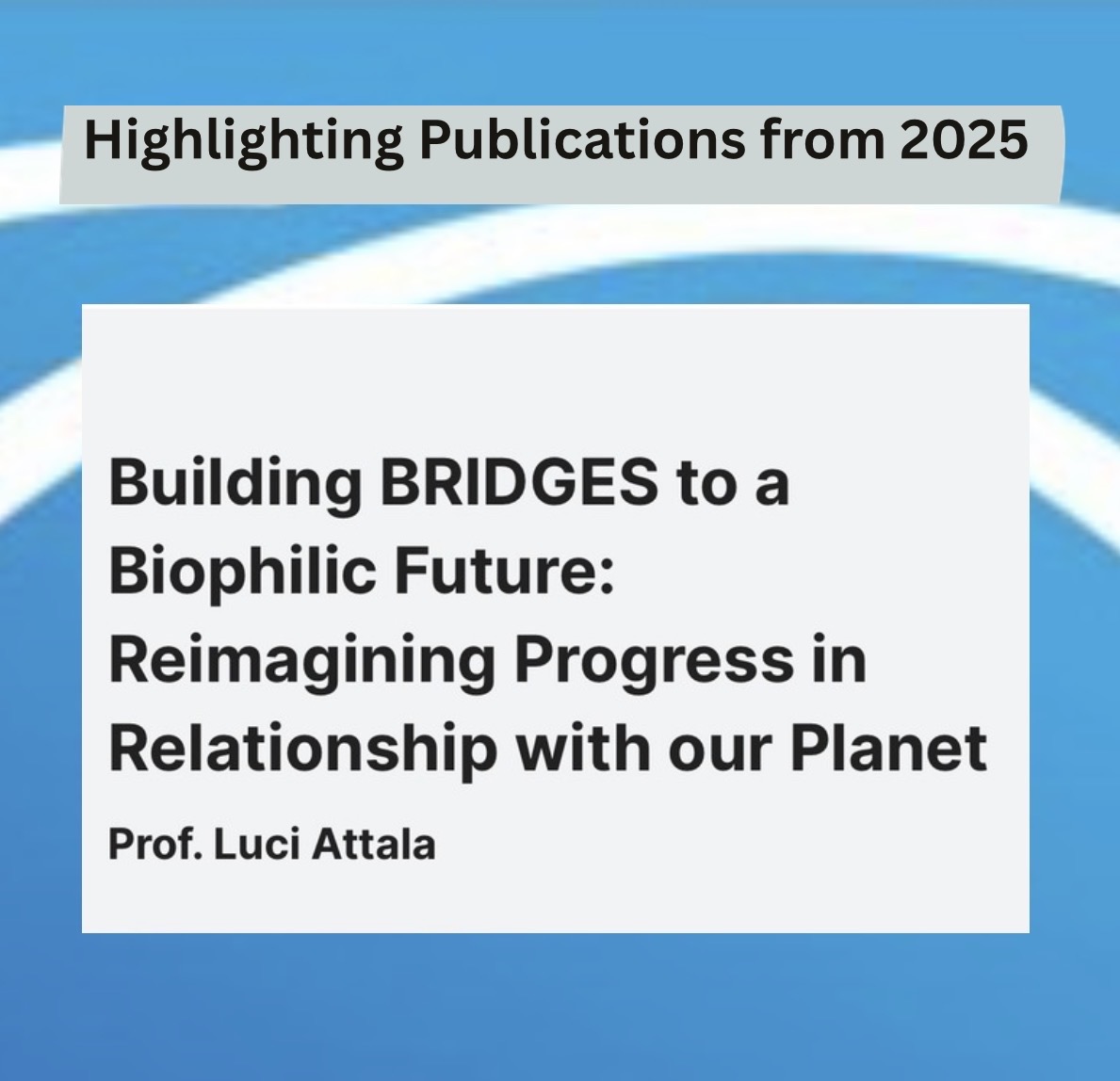
We are pleased to highlight a significant contribution to the global dialogue on sustainability and progress, by Prof. Luci Attala, Deputy Executive Director of UNESCO-MOST BRIDGES. This compelling thought piece titled “Building BRIDGES to a Biophilic Future: Reimagining Progress in Relationship with our Planet” featured in UNESCO’s Futures Literacy and Foresight Collection, challenges the traditional metrics of success and offers a transformative framework for navigating our current era of "poly-crises."
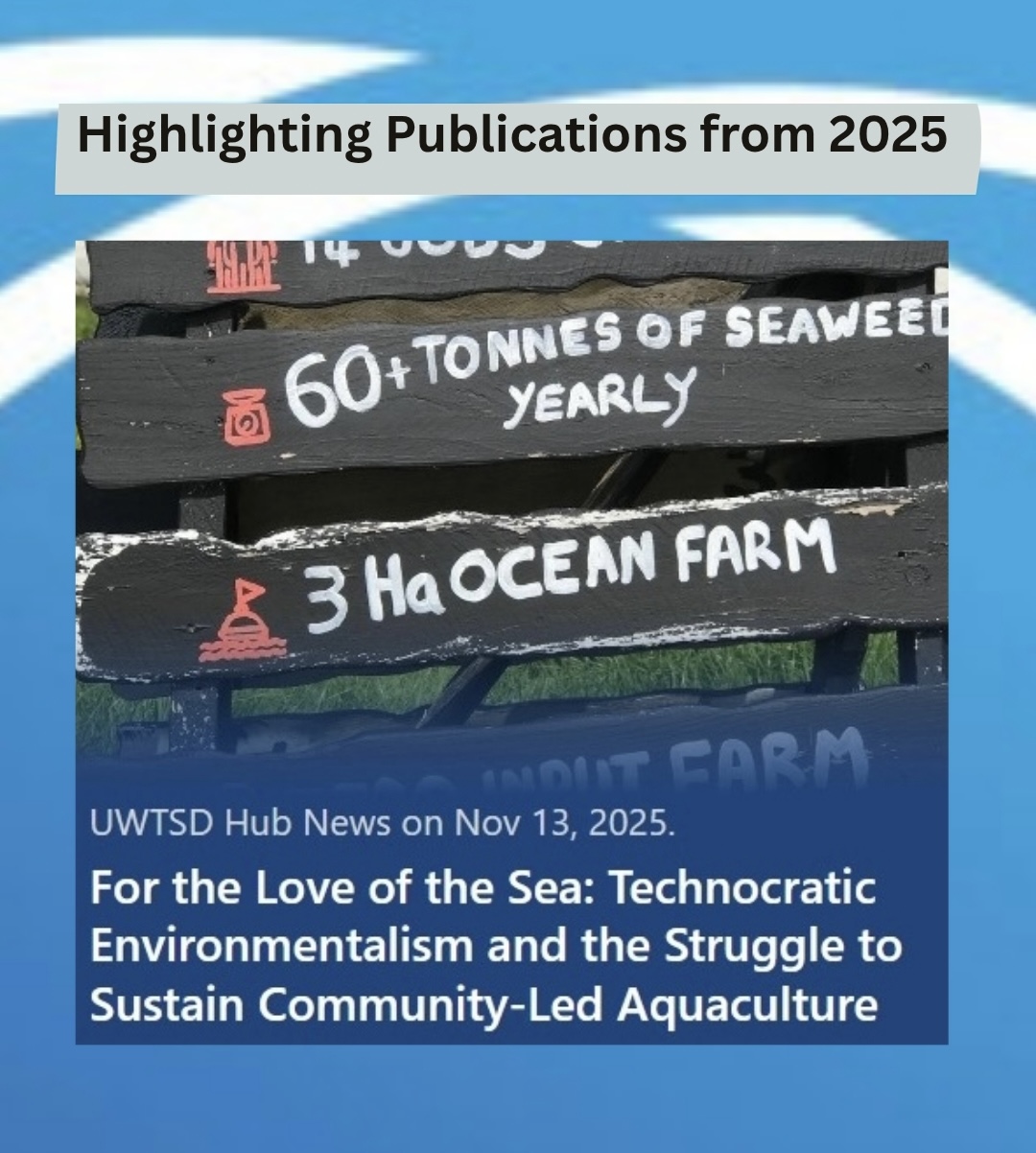
This publication explores the internal dynamics of Câr-y-Môr, Wales’s first community-owned regenerative ocean farm. The authors argue that sustainability governance in small-scale aquaculture is primarily driven by the relational, ethical, and temporal labour of the practitioners themselves.
The research highlights a fundamental tension in modern environmental management: the "technocratic environmentalism" of audits and standardised reporting often fails to align with the lived reality of marine labour, the shifting rhythms of tides, unpredictable weather, and the physical demands of the sea.
Yesterday, as the sun broke through for the first time after a long, wet winter, the first buds of hope appeared in Swansea with the announcement that the city has officially joined the Biophilic Cities Network, marking a major milestone in its drive toward a greener, healthier urban future.
The REPAIR research project was invited to speak at the It's Your Swansea, held at the Swansea Arena on March 12. The event, organised by 4theRegion, brought together community members, businesses, researchers and civic leaders to explore current developments in the city and discuss what kind of Swansea people want for the future. During the programme, one of the project co-leads, Dr Luci Attala, delivered a presentation introducing the REPAIR project to the audience. REPAIR is a transdisciplinary research collaboration, funded through the Arts and Humanities Research Council Mission Award.