Latest News

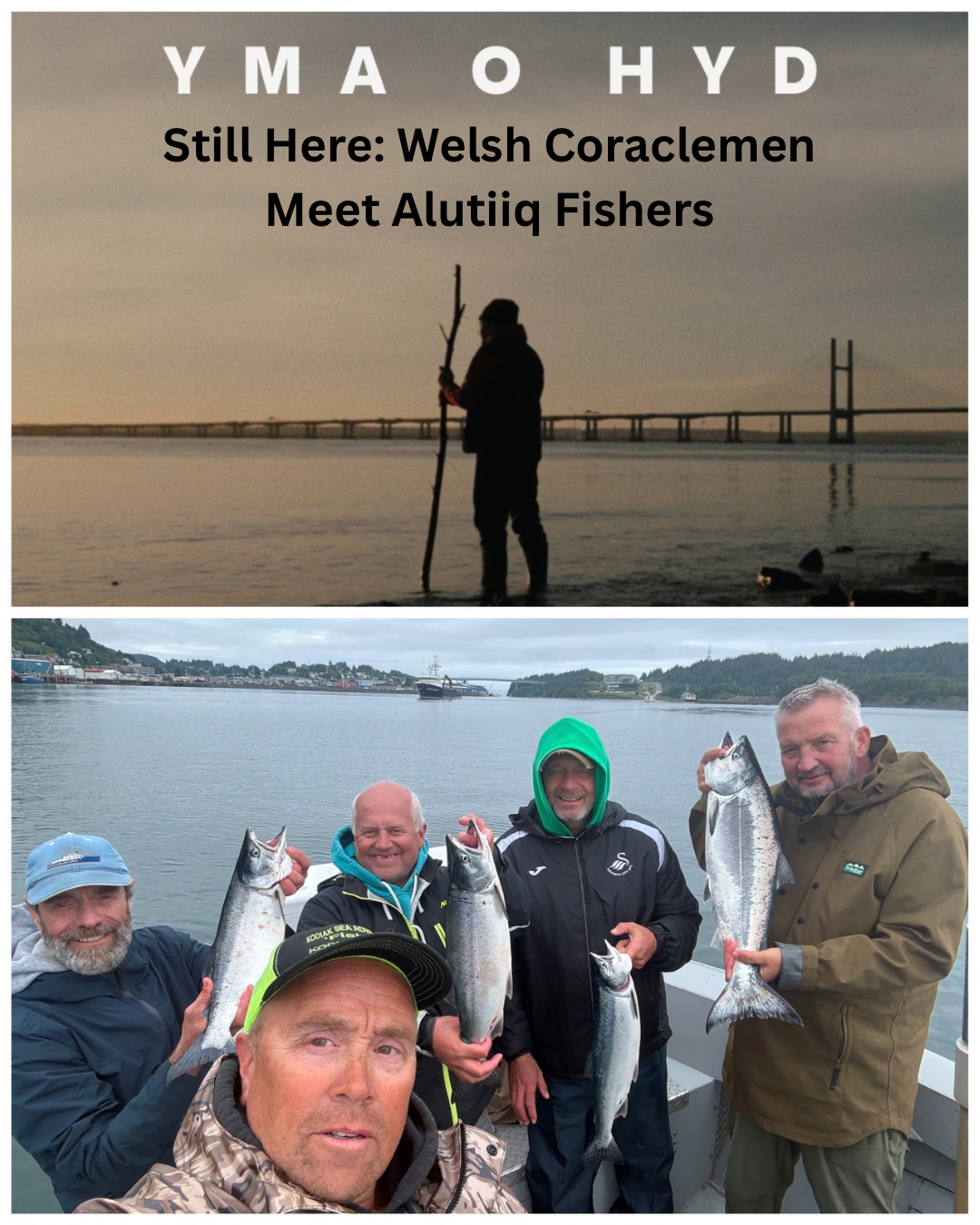
Still Here: Welsh Coraclemen Meet Alutiiq Fishers

In this piece Gareth Thomas reflects on an extraordinary cross-continental journey that brought Welsh river fishers and Alutiiq communities together in Kodiak. Rooted in the international Coastal TALES project, this story explores how shared stories over salmon stocks, environmental regulation, and cultural survival can connect two vastly different worlds — "It is not every day that you set off from Wales in the middle of the night, bound for Kodiak Island in Alaska with two traditional Welsh coraclemen. But that was exactly what I was doing in August 2026. After four flights and around 36 hours of travelling, we landed at a small local airport to meet our American research colleagues and their Alutiiq partners. Somewhere among our luggage, carefully carried across several thousand miles, was a miniature traditional coracle made by one of the last people in Wales still making them. We unwrapped it in airport car park and breathed a sigh of relief, the fragile miniature boat had made it."
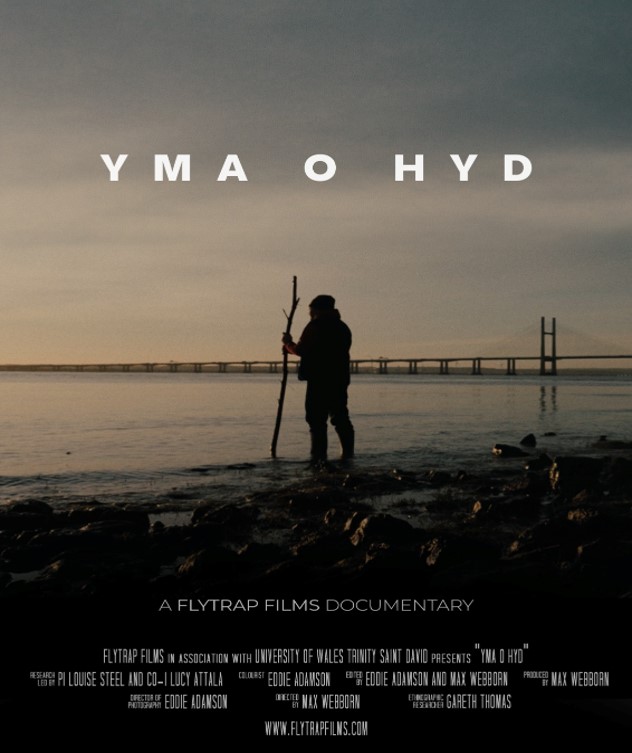
Yma o Hyd: The Ancient Art of Fishing in Wales, a Documentary

Author: Gareth Thomas. Coracle fishing on West Wales's River Tywi is an ancient tradition facing severe threats from pollution and declining fish stocks. As explored in this blog post, the ethnographic short film Yma o Hyd: The Ancient Art of Fishing in Wales reveals how preserving this unique food culture requires protecting the active livelihoods and ecological knowledge that sustain it.

‘The Creative Complications and Challenges of UNESCO-MOST BRIDGES Transdisciplinary Research Method: Experiencing Dreaming as an Approach—My Story’

Among contributions to the publication, 'Bridging History and Policy: Essays on Resilience, Sustainability and Systems Modelling', is a chapter by BRIDGES Prof. Luci Attala titled ‘The Creative Complications and Challenges of UNESCO-MOST BRIDGES Transdisciplinary Research Method: Experiencing Dreaming as an Approach—My Story’. This chapter highlights alternative methodologies like dreaming and Indigenous knowledge systems, challenging traditional academic hierarchies and advocates for genuine, equitable co-design that reconfigures how we understand human-environment relationships.

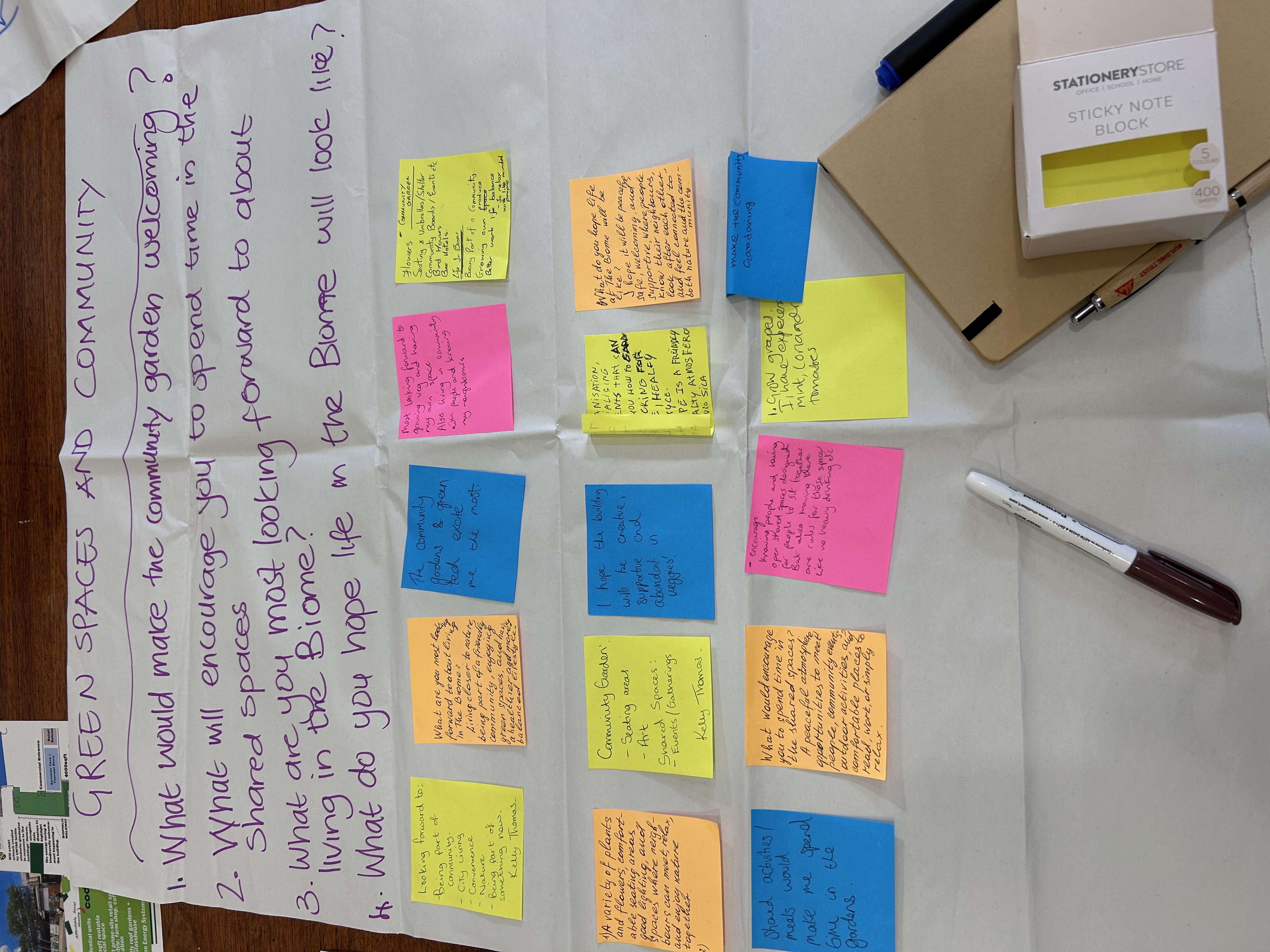
From Building to Home - Imagining Life in the Biome.

What turns a biophilic building into a home? The answer lies not only in its design, but in how people experience, adapt and care for the spaces around them. As future residents of the Biome prepare to move into their new homes, Project REPAIR is exploring this transition through anthropological research.

We use cookies to personalize content and to analyze our traffic. Please decide if you are willing to accept cookies from our website.