MESH Recordings
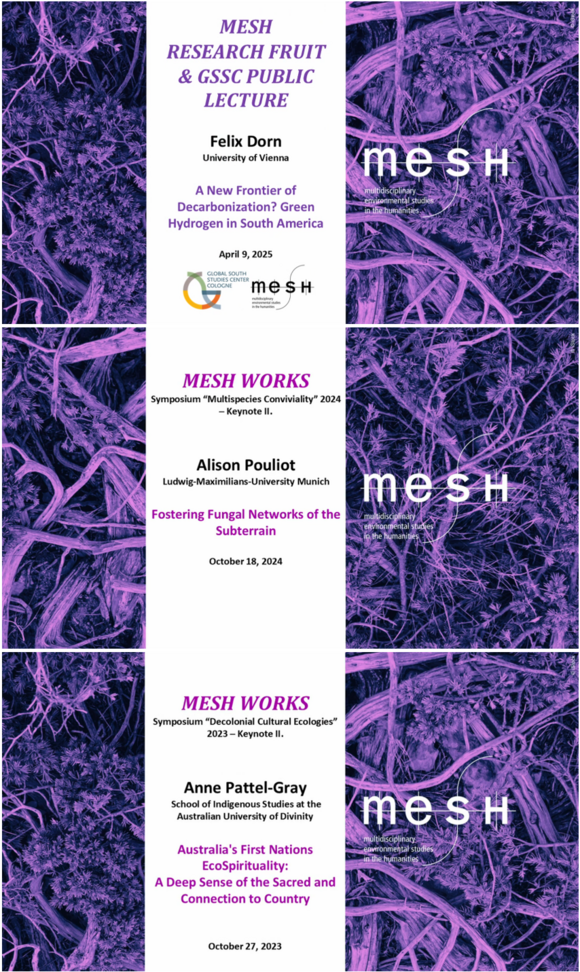
Last month, MESH launched their very own Youtube channel featuring recorded keynotes from their MESH symposia as well as lectures from their Research Fruits lecture series. This month, they have added three new recordings (so far!)
Latest News: MESH Recordings...
Last month, MESH launched their very own Youtube channel featuring recorded keynotes from their MESH symposia as well as lectures from their Research Fruits lecture series. This month, they have added three new recordings (so far!)
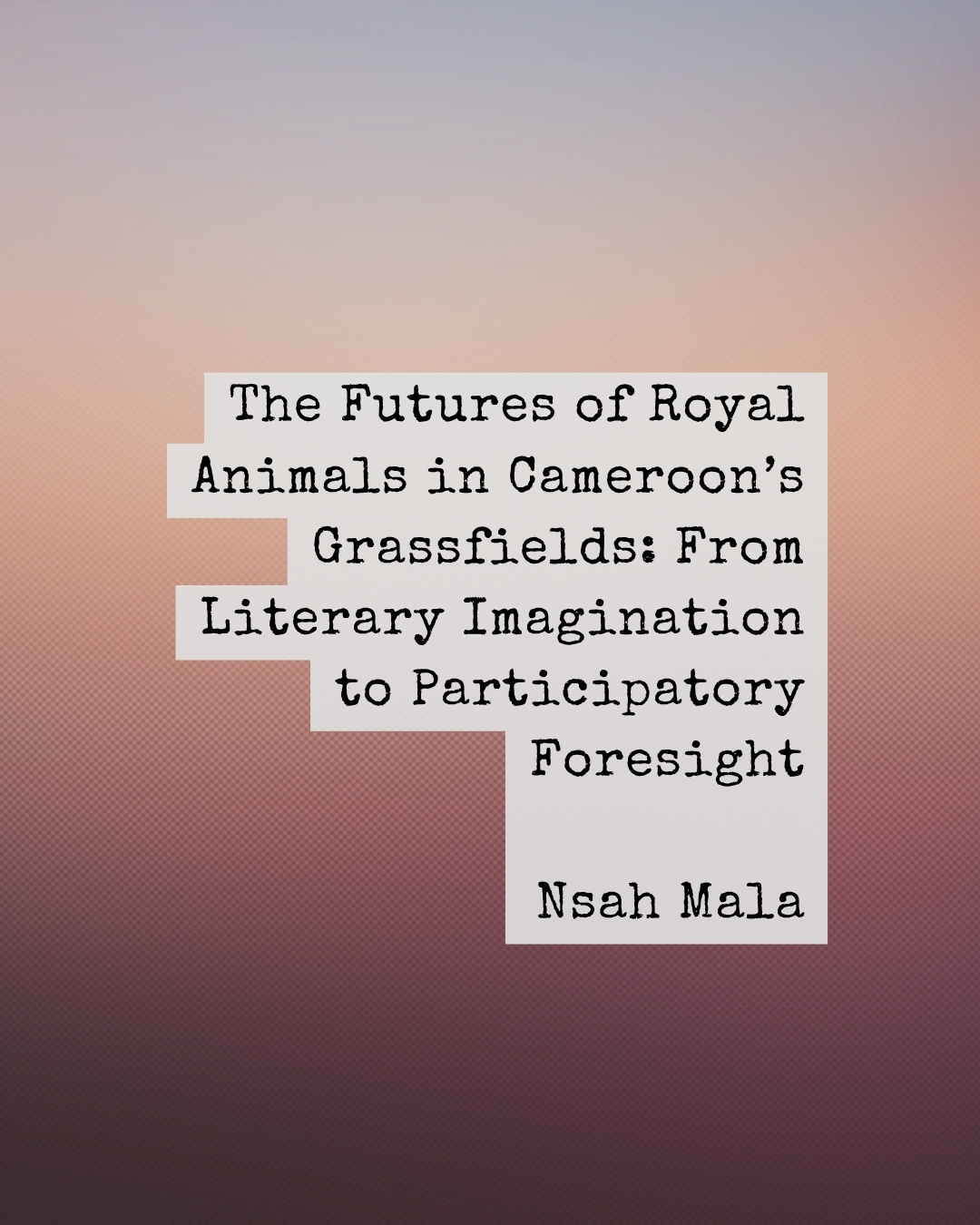
'The Futures of Royal Animals in Cameroon’s Grassfields: From Literary Imagination to Participatory Foresight.' Published in ‘World Futures Review’ Kenneth Toah Nsah’s research explores the intersection of literary analysis and participatory foresight to address the survival of ‘royal’ and ‘sacred’ animals in the Cameroon Grassfields. Focusing on species of deep cultural significance, such as lions, leopards, elephants, buffaloes, and the Bannerman’s Turaco, the study examines their vulnerability amidst the global biodiversity crisis.
Here follows an update on the recent publications by MESH staff
The interdisciplinary research and development project EcoLit is inviting you to become part of their project’s final event, "Wondrous Relations: A Festival of Arts, Education and Ecology" from 7–9 September 2026 at the Orangerie Theater in Cologne, Germany.
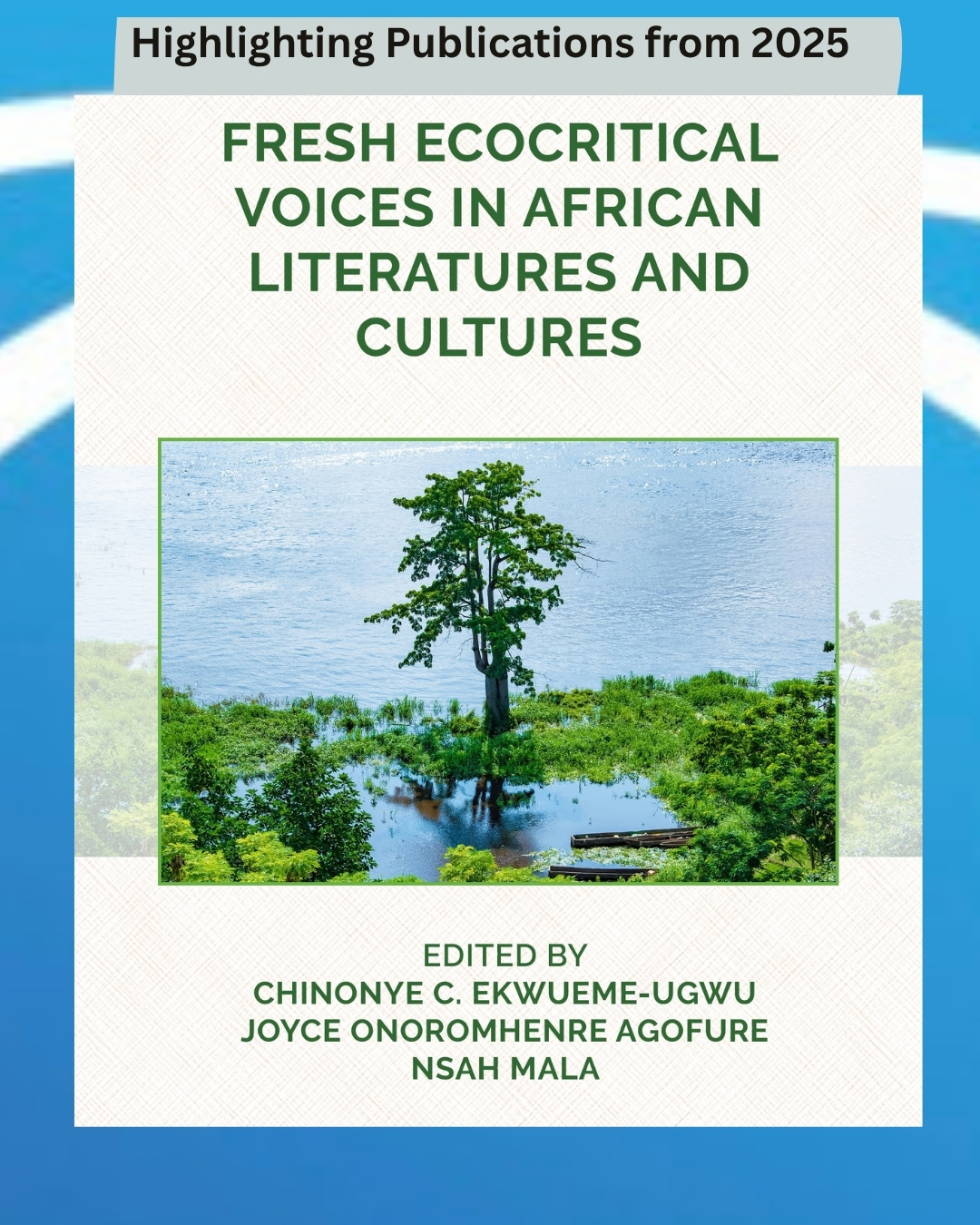
Continuing our series highlighting publications from 2025, we focus on a volume that brings African environmental humanities to the forefront of global discourse. This edited collection explores how cultural production serves as a vital tool for navigating the complexities of the Anthropocene from the perspective of the Global South. Fresh Ecocritical Voices in African Literatures and Cultures is an interdisciplinary effort that bridges the gap between literary analysis and ecological activism. Co-edited by Chinonye C. Ekwueme-Ugwu, Joyce Onoromhenre Agofure, and Nsah Mala, who also serves as a Hub Coordinator for the UNESCO-MOST BRIDGES Coalition Hub at the University of Cologne, this work exemplifies the coalition's mission to integrate humanities-led insights into sustainability science.