BRIDGES Thematic Hub, University of Cologne

BRIDGES Thematic Hub for Planetary Wellbeing, University of Cologne

This BRIDGES Thematic Hub for Planetary Wellbeing is anchored in two leading research institutions at the University of Cologne (UoC): the research initiative for Multidisciplinary Environmental Studies in the Humanities (MESH) and the Global South Studies Center ( GSSC). It is also supported by the Global Responsibility Unit at UoC and the European University for Wellbeing (EUniWell), which is funded by the European Commission.

Focused on Planetary Wellbeing, the Cologne Hub addresses the interconnections amongst human health and wellbeing, climate change mitigation and adaptation, biodiversity conservation and ecological regeneration. As such, this Hub is concerned with enhancing the wellbeing of both humans and nonhumans, recognising that their essential needs interrelate in ways that can create intractable conflicts as well as mutual benefits. Bringing the insights and understandings of the environmental humanities to the One Health concept, the Hub approaches wellbeing from a perspective that prioritises multispecies conviviality and ecological flourishing in a shared Planet Earth for present and future generations. We understand this planet not only as a material entity, but also as an ethical horizon, entailing moral obligations towards more-than-human others. These include ways of maintaining and re-inventing forms of living well together in a world that is becoming increasingly less habitable for many earthlings.

While wellbeing may be defined in different ways, this hub considers “sharing” as a common denominator for Planetary Wellbeing. Accordingly, one of the flagship research initiatives of this hub is the initiative “Sharing a Planet in Peril” (SAPP) which brings together researchers from GSSC and MESH with a wide network of international partners, especially scholars and affected communities from the Global South, to address life-threatening environmental concerns and questions that define our current epoch and planetary futures. Drawing on environmental humanities and social sciences, SAPP advances actionable knowledge concerning the socio-cultural dimensions of global environmental change, seeking to uncover in particular the potential of a range of ideas and activities related to ‘sharing’ to ensure more equitable, ecological and convivial lifeways for current and future generations.

Situated within a capacious network of European research partners, but extending its scope and reach to include collaborators from the Global South in order to advance North-South-South eco-humanities interventions, this Hub explores and connects diverse concepts, methodologies and policies connected to Planetary Wellbeing, including intergenerational justice and mental health, art and literature, spirituality and value systems, indigenous and traditional knowledge systems, foresight and futures thinking, as well as discursive and other practices of more-than-human conviviality and collaboration such as Buen Vivir, Ubuntu and the Rights of Nature.

For further information on the UNESCO-MOST BRIDGES Hub for Planetary Wellbeing, University of Cologne - Visit their webpage

Meet our Hub Staff

We’re a dynamic group of individuals who are passionate about what we do and dedicated to delivering the best results for our clients.

  • Prof Dr Kate Rigby

    Hub Director and MESH Director, Humboldt Professor of Environmental Humanities

  • Prof Dr Franz Krause

    Hub Co-Director and MESH Co-Director, Professor of Environmental Anthropology

  • Prof Dr Roman Bartosch

    Hub Co-Director and MESH Co-Director, Professor of Anglophone Literatures and Cultures and the Teaching of English

  • Dr Nsah Mala (Kenneth Nsah)

    Hub Coordinator, Postdoctoral Researcher in Environmental Humanities, Sustainability Science, Foresight and Futures Thinking

  • Dr Christoph Lange

    MESH Associate Director and Academic Programme Manager, Postdoctoral Researcher in Environmental Anthropology

  • Jennifer Wasem

    Hub Communications Specialist, Master Student of Social and Cultural Anthropology and Research Assistant to Prof. Dr. Kate Rigby

  • Prof. Dr. Michael Bollig

    Hub Co-Director, Professor of Social and Cultural Anthropology

Visionary Victory: Congo Basin Futures Project Wins Prestigious Dubai Foresight Award!

A unique project exploring the future of the Congo Basin, led by Dr. Nsah Mala from the University of Cologne's BRIDGES Hub for Planetary Wellbeing, has clinched a top international honour, winning the inaugural Dubai Foresight Awards in the "Foresight for the Planet" category. The project, titled Congo Basin Futures, was celebrated last Tuesday, November 18, 2025, out hundreds of submissions from 50 countries it was named the overall category winner. Congo Basin Futures utilises innovative, foresight-based approaches, including participatory foresight methodologies, storytelling, and indigenous knowledge, to map out both undesirable and preferred futures for the world's second-largest tropical rainforest.

MESH Recordings

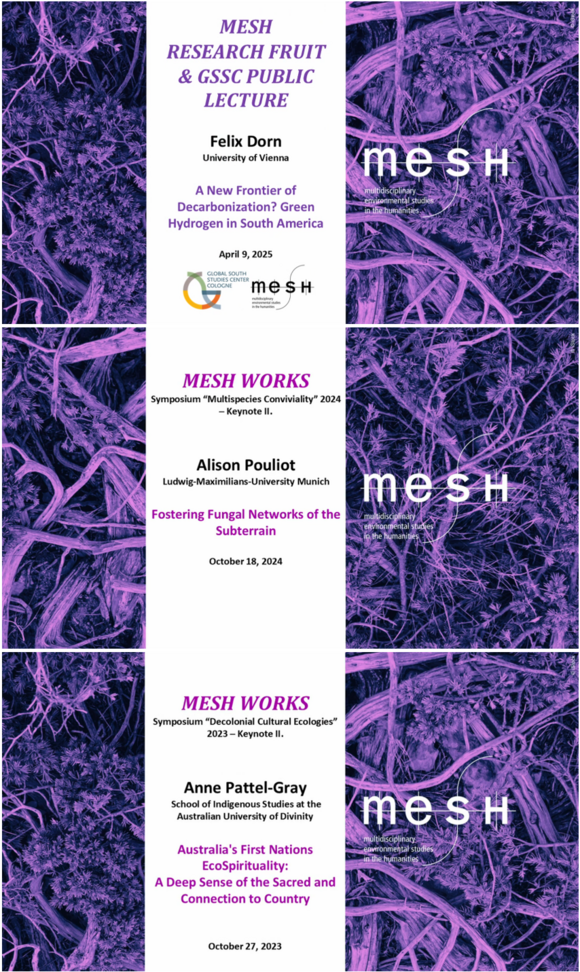
Last month, MESH launched their very own Youtube channel featuring recorded keynotes from their MESH symposia as well as lectures from their Research Fruits lecture series. This month, they have added three new recordings (so far!)

The Futures of Royal Animals in Cameroon’s Grassfields: From Literary Imagination to Participatory Foresight

'The Futures of Royal Animals in Cameroon’s Grassfields: From Literary Imagination to Participatory Foresight.' Published in ‘World Futures Review’ Kenneth Toah Nsah’s research explores the intersection of literary analysis and participatory foresight to address the survival of ‘royal’ and ‘sacred’ animals in the Cameroon Grassfields. Focusing on species of deep cultural significance, such as lions, leopards, elephants, buffaloes, and the Bannerman’s Turaco, the study examines their vulnerability amidst the global biodiversity crisis.

Open Call for "Wondrous Relations" Still Open

The interdisciplinary research and development project EcoLit is inviting you to become part of their project’s final event, "Wondrous Relations: A Festival of Arts, Education and Ecology" from 7–9 September 2026 at the Orangerie Theater in Cologne, Germany.

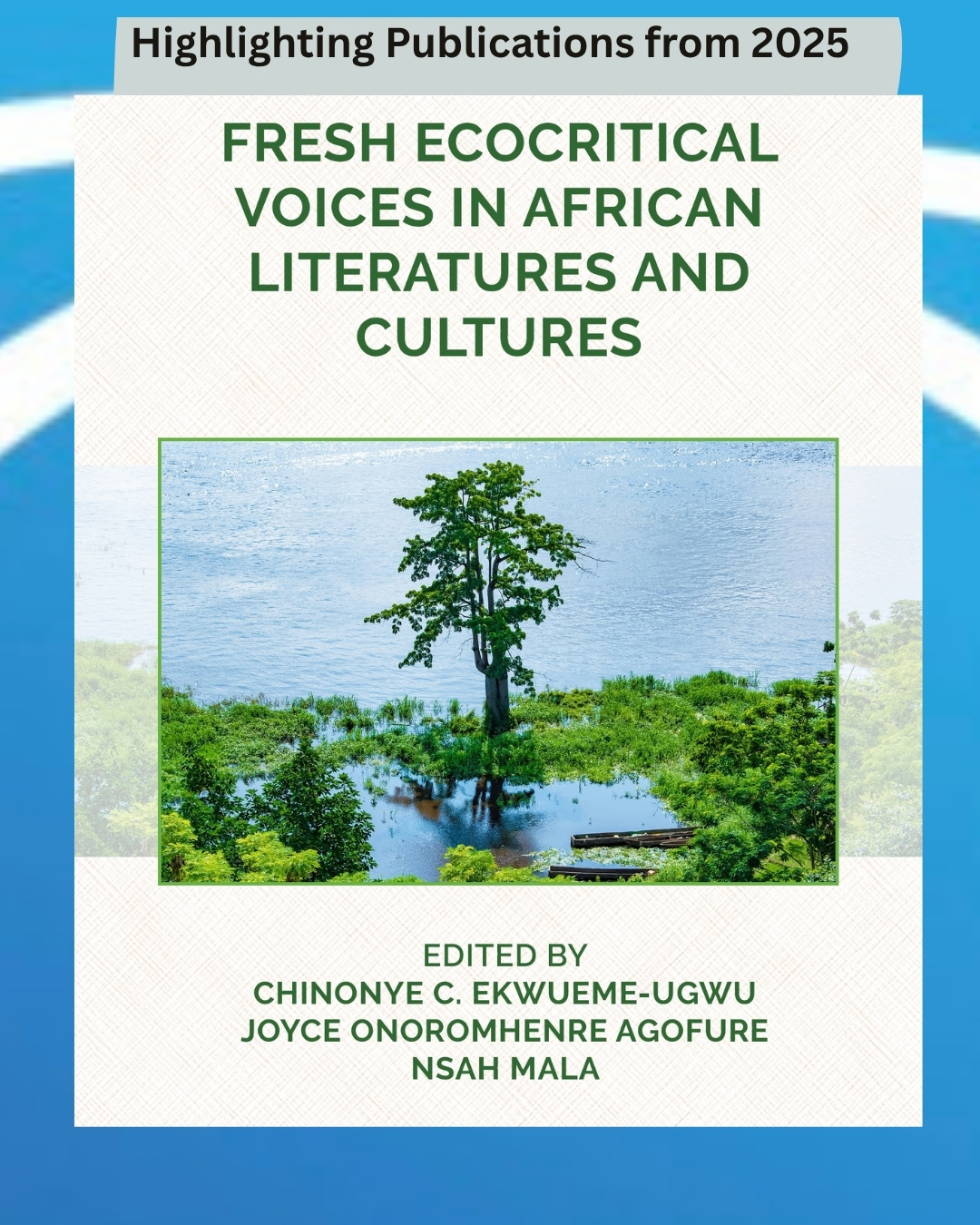
Highlighting Publications from 2025: Fresh Ecocritical Voices in African Literatures and Cultures

Continuing our series highlighting publications from 2025, we focus on a volume that brings African environmental humanities to the forefront of global discourse. This edited collection explores how cultural production serves as a vital tool for navigating the complexities of the Anthropocene from the perspective of the Global South. Fresh Ecocritical Voices in African Literatures and Cultures is an interdisciplinary effort that bridges the gap between literary analysis and ecological activism. Co-edited by Chinonye C. Ekwueme-Ugwu, Joyce Onoromhenre Agofure, and Nsah Mala, who also serves as a Hub Coordinator for the UNESCO-MOST BRIDGES Coalition Hub at the University of Cologne, this work exemplifies the coalition's mission to integrate humanities-led insights into sustainability science.

New MESH Youtube Channel

MESH is excited to announce the launch of their very own Youtube channel! It will feature recorded lectures held at their symposia or as part of their Research Fruits lecture series.

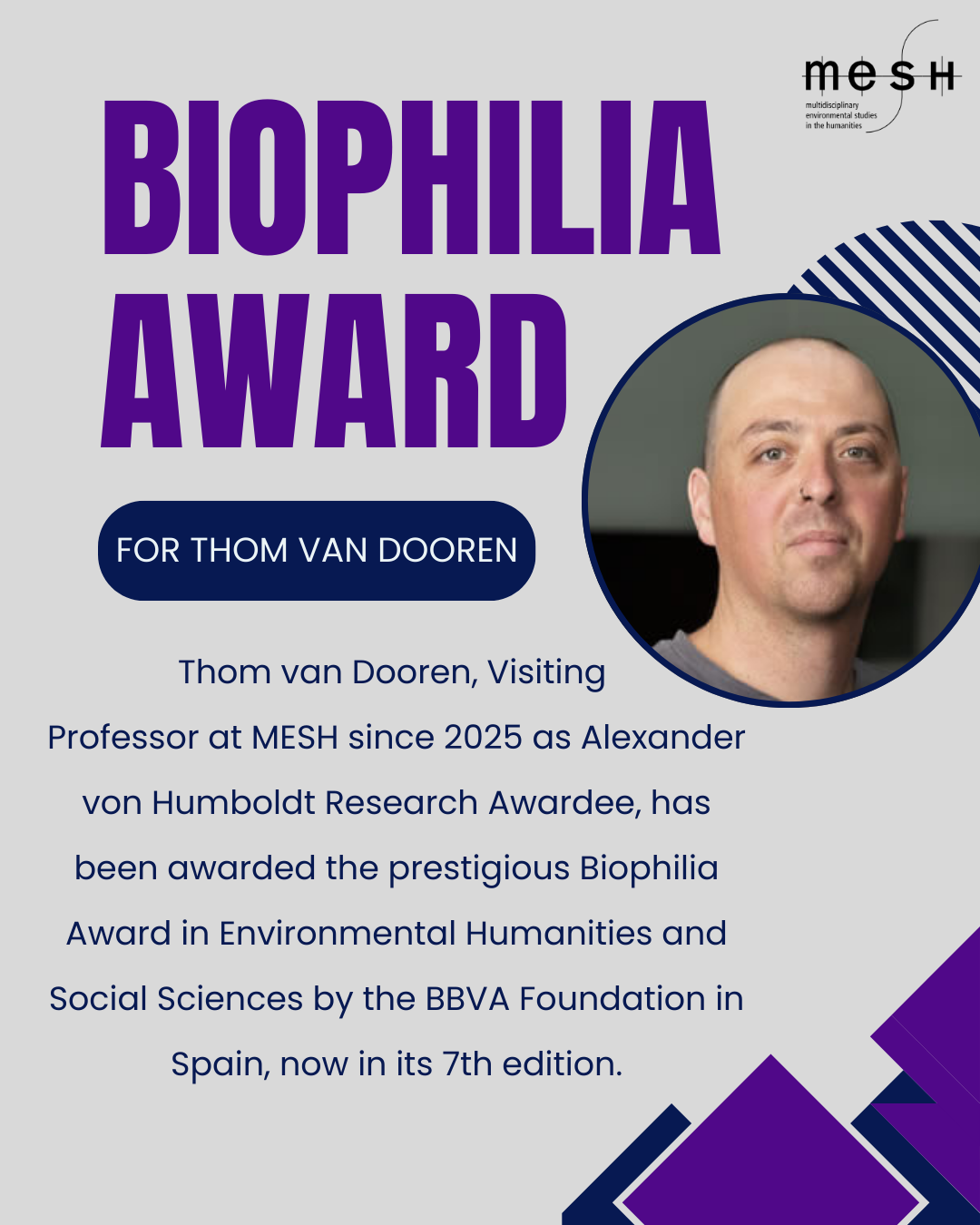
Biophilia Award in Environmental Humanities and Social Sciences

The BBVA Foundation recognizes philosopher Thom van Dooren for his contributions to understanding and addressing species extinction from the perspective of the environmental humanities. The UNESCO-MOST BRIDGES Hub for Planetary Wellbeing, University of Cologne, and the wider coalition, are proud to celebrate this remarkable recognition of Thom's vital contributions to deepened understanding of the meaning, significance and ethical implications of biodiversity loss.

"From Fortress to Earth-Web: Reimagining Mobility and Migration Governance for a Multispecies Future"

In their blog post titled "From Fortress to Earth-Web: Reimagining Mobility and Migration Governance for a Multispecies Future" Dr. Christoph Lange and Dr. Nsah Mala, BRIDGES University of Cologne Hub, give some insights from their panel on Inclusion & Exclusion in the Perspective of Environmental (In)justice held during the DiaMiGo II Summer Research Academy 2025.

We use cookies to personalize content and to analyze our traffic. Please decide if you are willing to accept cookies from our website.