Posted in Blog on Mar 31, 2026.
The renaturalization of schoolyards is transforming traditional asphalt playgrounds into "living courtyards" to combat nature deficit disorder and climate change. By integrating vegetation and natural elements, cities like Paris and Barcelona are fostering environments that improve student well-being, promote gender equity in play, and serve as "co-teachers" for experiential learning. This piece, by Isabel Ruiz-Mallén, published by Educere Alliance, illustrates how successful transformation relies on deep public investment and participatory design that involves the entire school community. We share an excerpt with a link to the article in full below.
Why nature-based schoolyards?
Author: Isabel Ruiz-Mallén
School grounds are critical spaces for children’s development and well-being. Their design has a lot to do with the type of uses they can provide. Differences in this regard will be huge if the schoolyard has large paved and asphalted areas and the football or basketball courts occupy it all, or if there are trees or shrubs, places to sit, and space to run or hide.
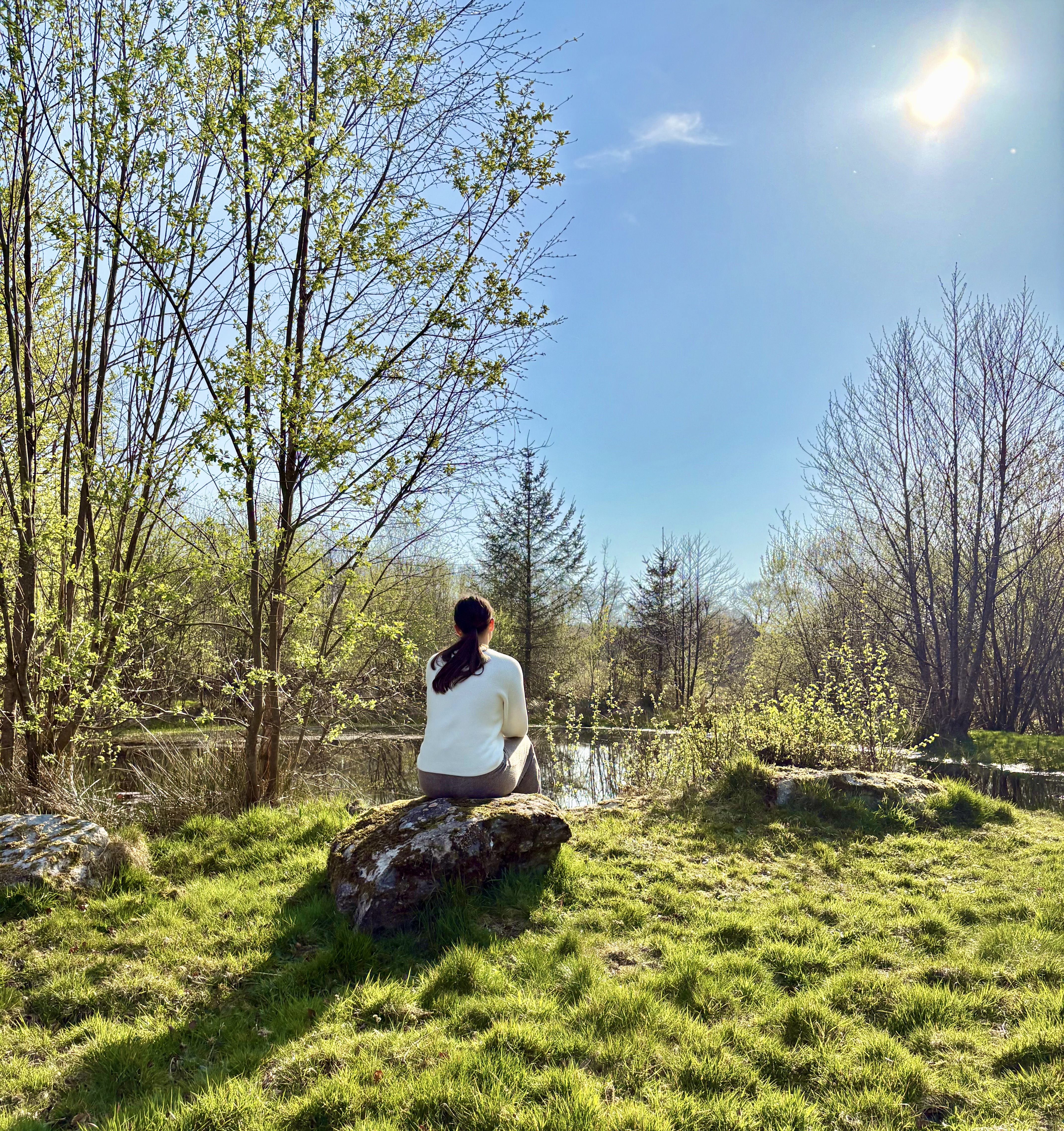
Precisely because having access to vegetation, land or water modifies children’s activity in this space so much, and because many urban schools were built without taking into account their needs, the “renaturalization” of school grounds and environments is embraced as a strategy to mitigate the so-called nature deficit disorder in the urban child population.
Read this piece in full published by Educere Alliance