Latest News: Building Reflexive Practice across Project REPAIR...


Latest News: Building Reflexive Practice across Project REPAIR...
Posted in Blog on Apr 23, 2026.
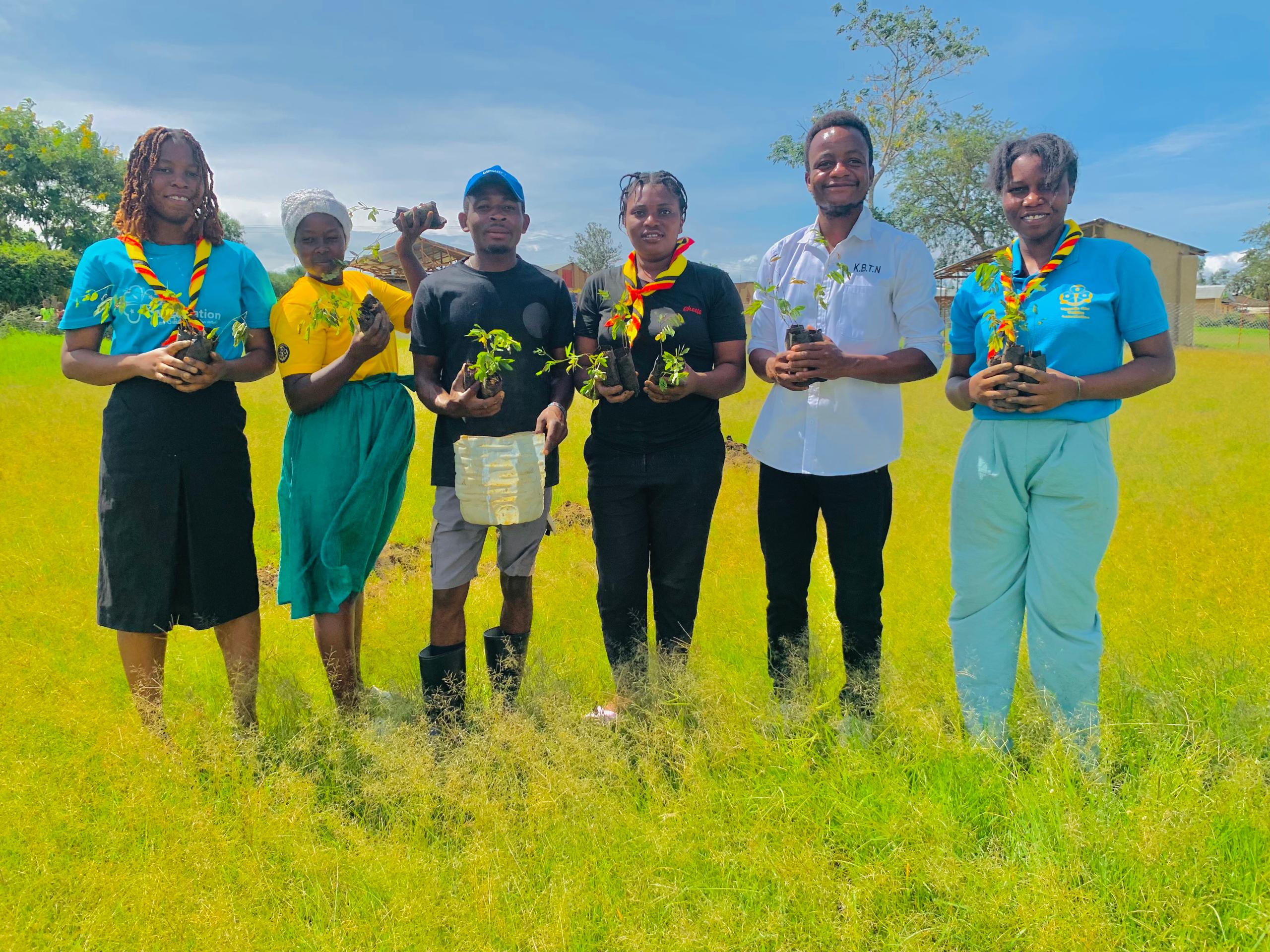
This article by Samuel Ombeni, Refugee Youth Advocate for Sustainable Development and Humanitarian Agriculture, published by coalition members, African Youth Integrated For Socio-Economic Development (AYISD), provides vision of a community-led response to the escalating food crisis in Uganda’s Nakivale Refugee Settlement.
Following the withdrawal of international food aid, this model presents a viable alternative to long-term dependency. By championing regenerative, high-impact ecological techniques, the model highlights that food security is achievable through the simultaneous restoration of the land and the livelihoods of those who tend it.
This approach serves as a form of empowering advocacy. It restores agency to over 171,000 displaced individuals, shifting the narrative from aid-recipient to land-steward. Ultimately, this model for Nakivale serves as a scalable example for community resilience that can be adapted and replicated to support communities across the globe.
The article ends with a call to action, “to collaborate, fund, or co-design a regenerative agriculture pilot in Nakivale”
“We stand at a moment where we can shift from dependence to dignity, from extraction to regeneration, from despair to action.”
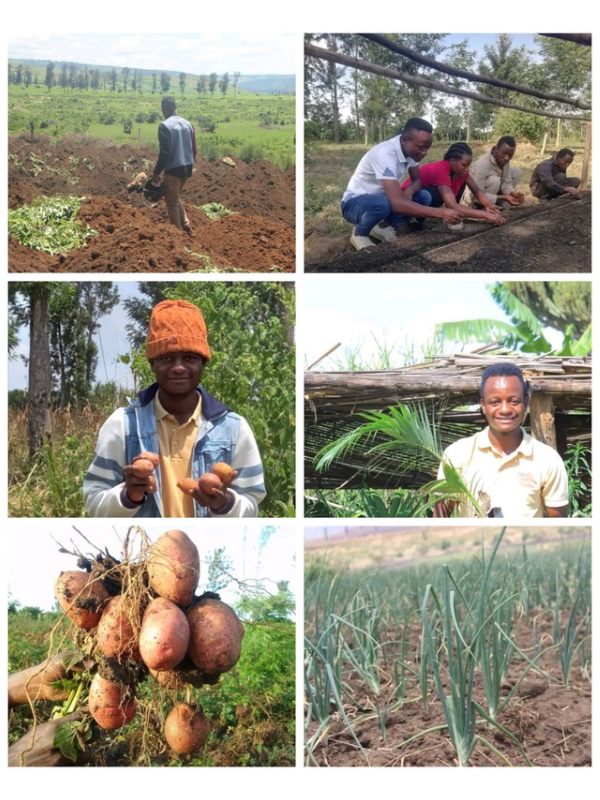
We share an excerpt from the article below followed by a link to the published piece in full:
Restoring Hope from the Ground Up: Why Soil, Sustainability, and Regenerative Farming Are the Keys to Nakivale's Future
Author: Samuel Ombeni
The Nakivale Refugee Settlement in Uganda stands at a critical crossroads. Once buoyed by global humanitarian aid, its resident refugees from over five neighbouring nations are now caught in a deepening food crisis following the withdrawal of major food aid support. In this article, I explore a promising, scalable solution: regenerative agriculture rooted in community-based soil knowledge, sustainable agroforestry and permaculture practices, and self-reliant farming. With over 75% of Nakivale’s refugee population relying on agriculture as their primary economic activity, the soil represents more than land. It means our survival. By transforming Nakivale’s struggling smallholders into empowered stewards of their land, we can unlock food security, resilience, and dignity for over 171,000 displaced individuals.
Continue reading on the AYISD website