Posted in Blog on Nov 20, 2026.
Author: Samuel Ombeni, African Youth Integrated for Socio-Economic Development (AYISD)
What if a birthday could be transformed from a personal celebration into an opportunity to give something meaningful back to the community? What if, instead of receiving gifts for myself, I could give children something that would continue giving long after the candles had been blown out and the celebration had ended? What if one birthday could become the beginning of a movement that inspires children to believe in themselves, care for their environment, and contribute to solving the challenges around them?
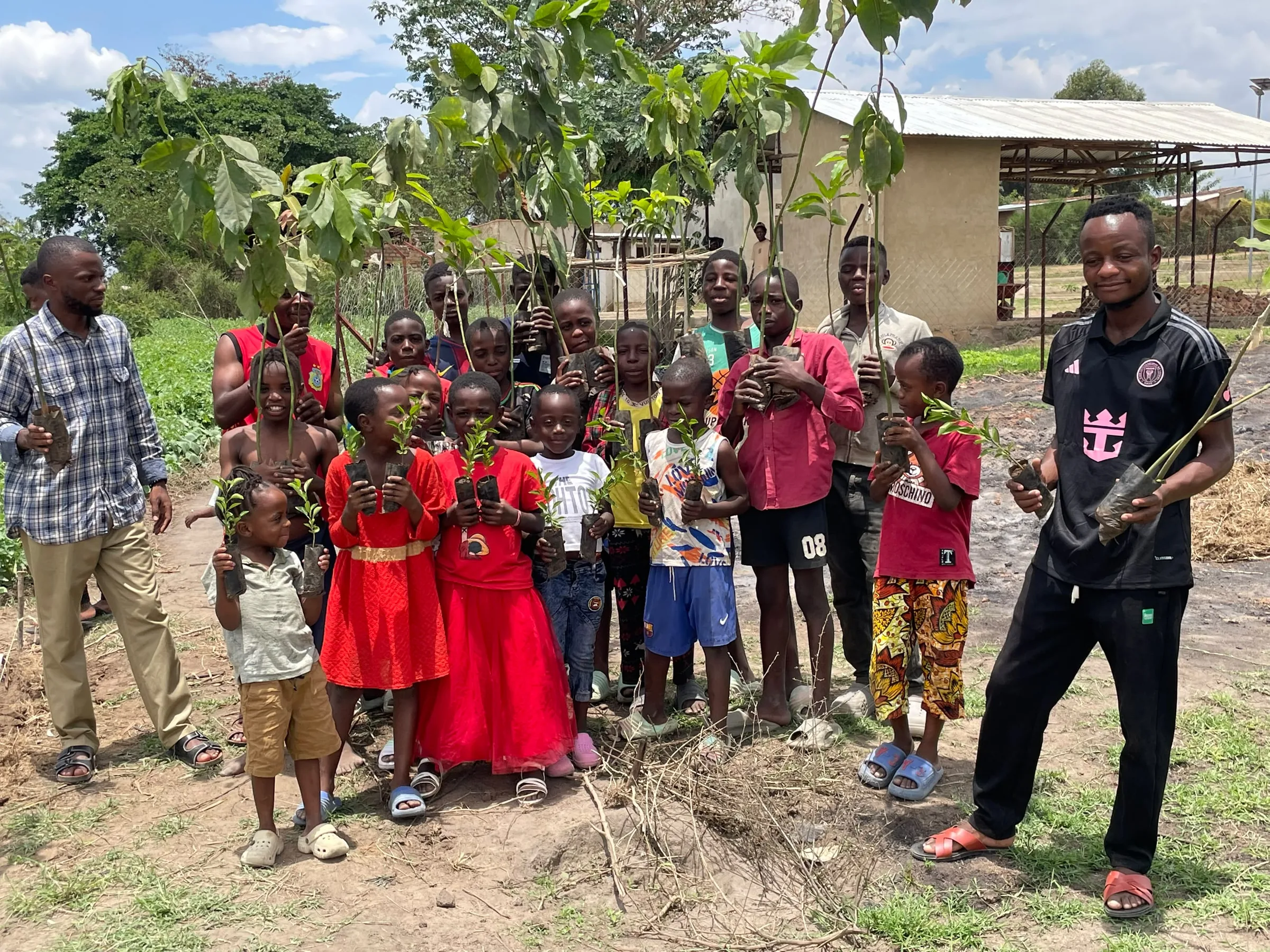
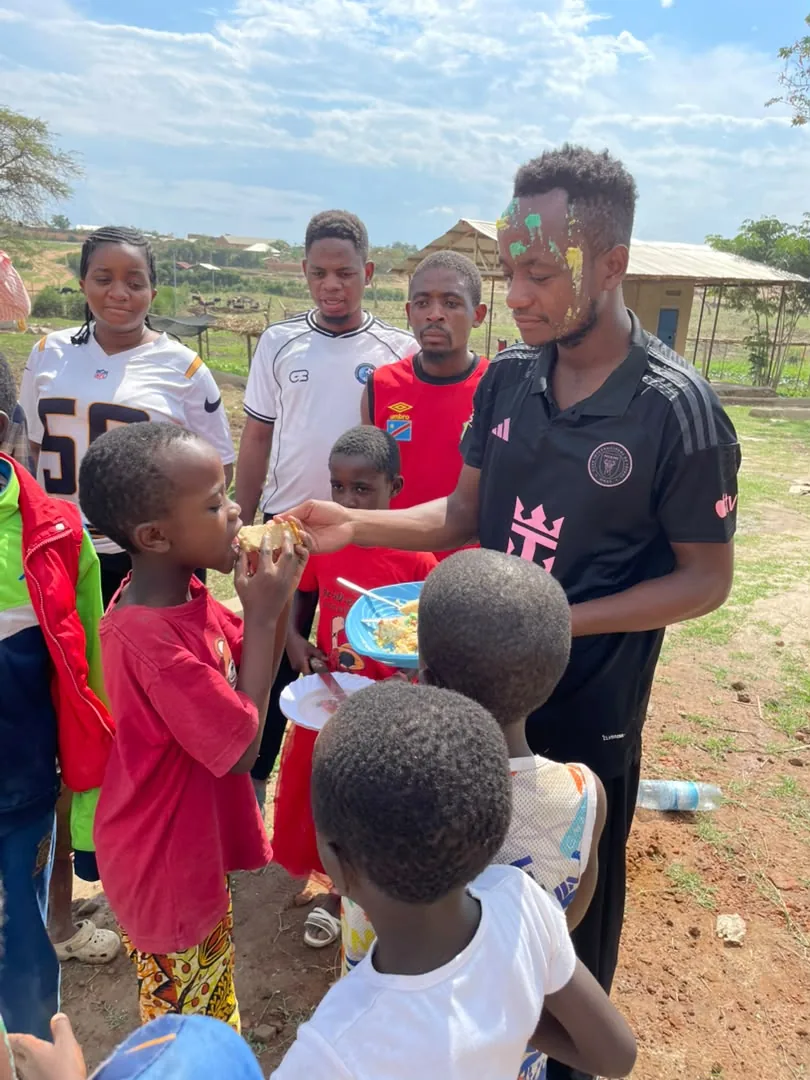
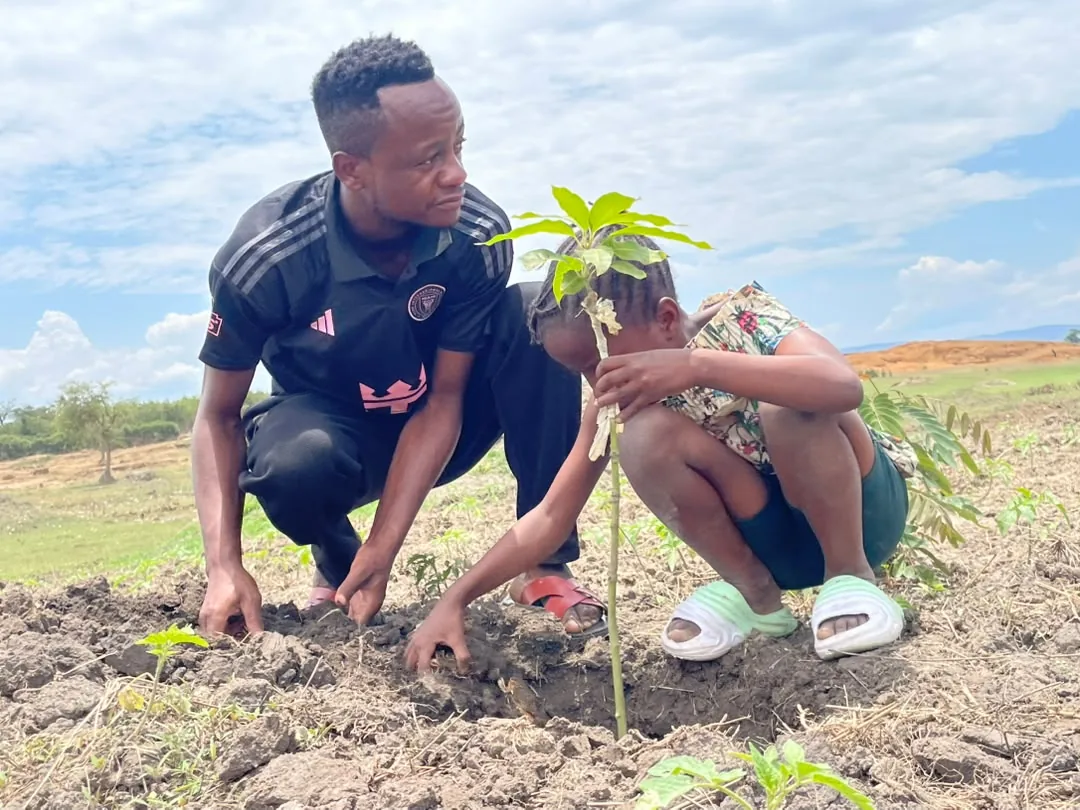
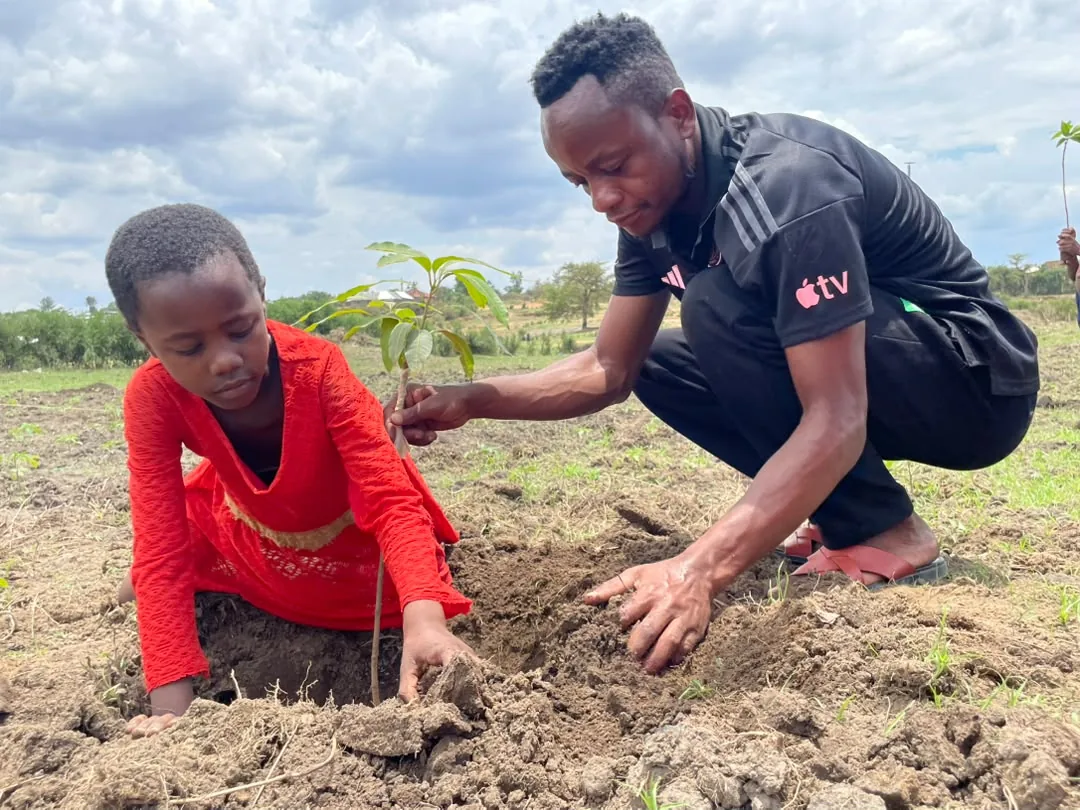
Those were the questions I asked myself as I thought about how I wanted to celebrate another year of my life. I realized that life becomes more meaningful when the blessings we receive are transformed into opportunities for others, especially children whose circumstances may have limited their access to opportunities. So, instead of celebrating only for myself, I chose to spend my birthday with orphans and children in need and invest in the generation that will inherit the future we are building today. Together, we planted 254 fruit trees, and in those 254 trees, I saw far more than seedlings I saw the beginning of a story about hope, responsibility, knowledge, dignity, and possibility.
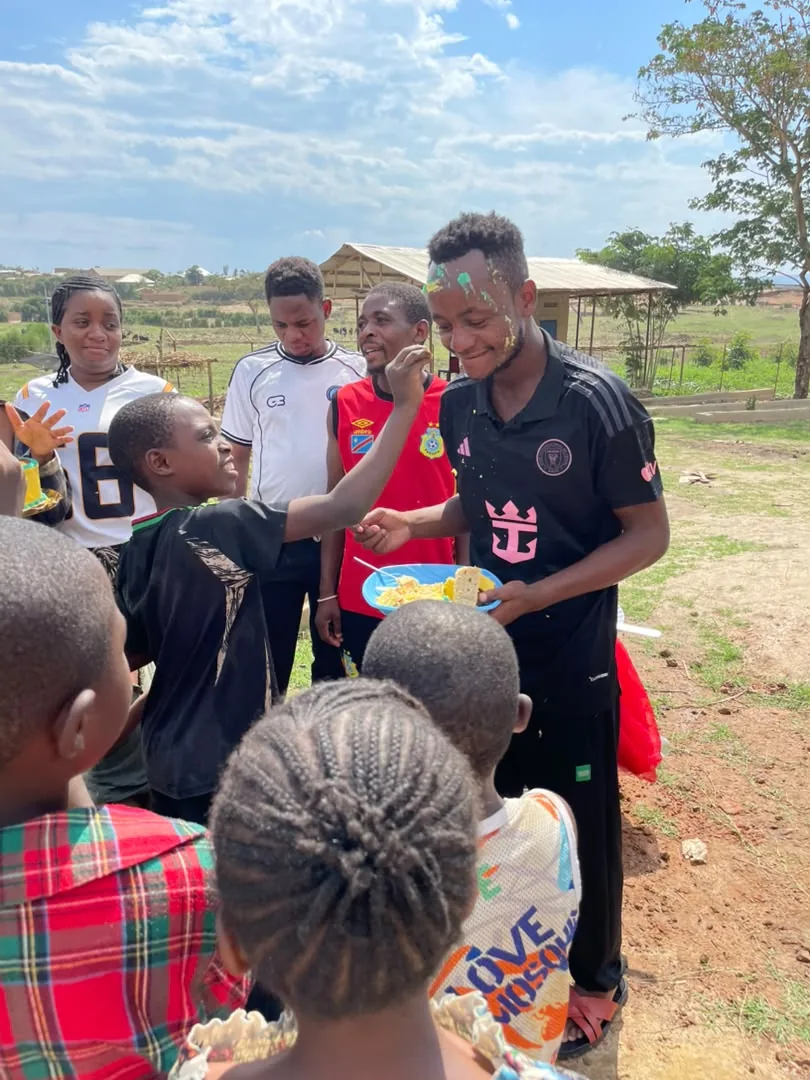
WE PLANTED MORE THAN TREES
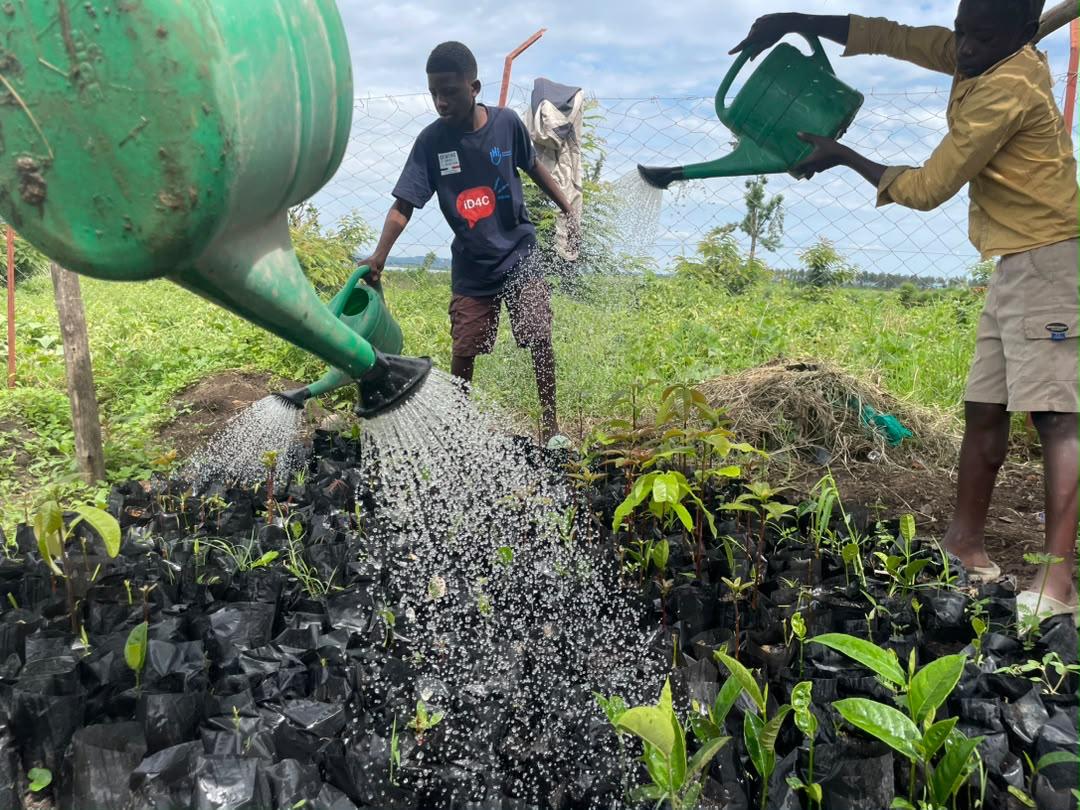
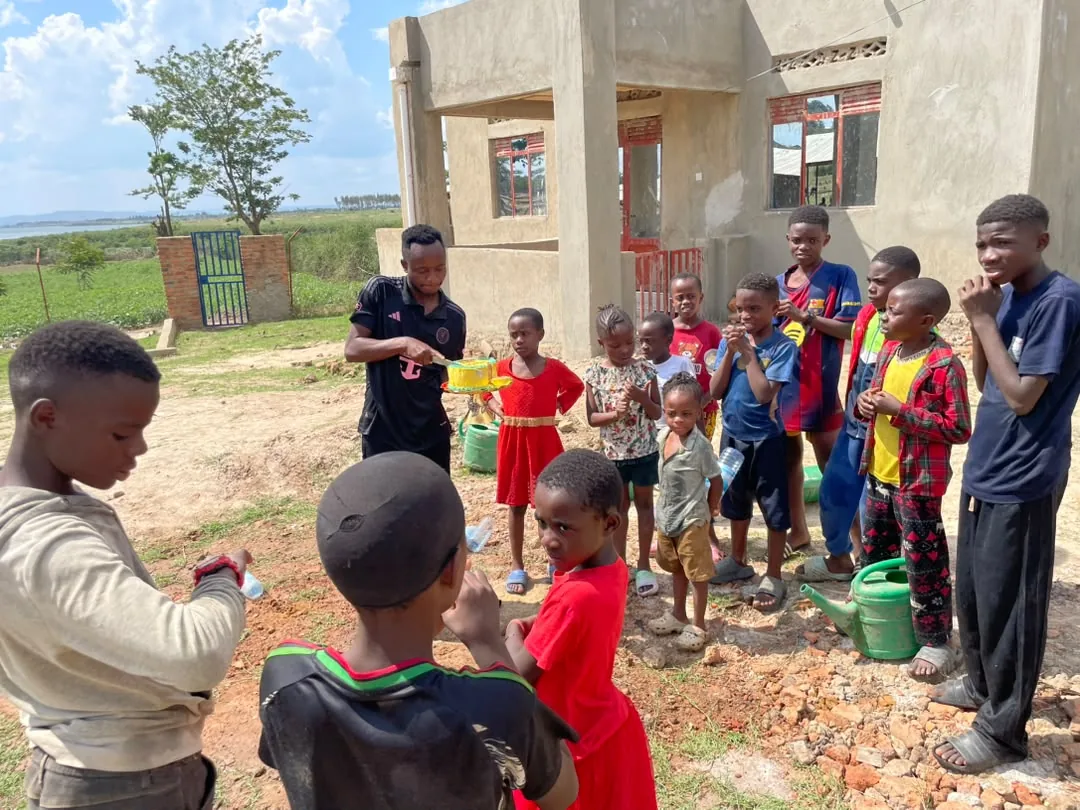
Watching the children put their hands into the soil was one of the most touching moments of the entire celebration because I could see them discovering that they were capable of creating something with their own hands. They were not simply planting seedlings; they were learning that even small actions can contribute to something much bigger than themselves. They were learning how to plant, water, protect, nurture, and take responsibility for something living, while also understanding that nature is not someone else's responsibility, but a responsibility shared by all of us. Every seedling became a practical lesson that caring for the environment requires patience, commitment, consistency, and love.
Just as a tree cannot survive simply because someone places it in the ground, a child's potential cannot flourish simply because someone gives them temporary assistance; it needs knowledge, encouragement, opportunity, guidance, and people who believe in them. When we invest in children today, we are not only responding to their present circumstances but helping shape the farmers, scientists, entrepreneurs, environmental stewards, advocates, innovators, and community leaders they can become tomorrow. That is why those 254 trees represent much more than environmental action to me they represent 254 opportunities to nurture responsibility, confidence, knowledge, leadership, and hope.
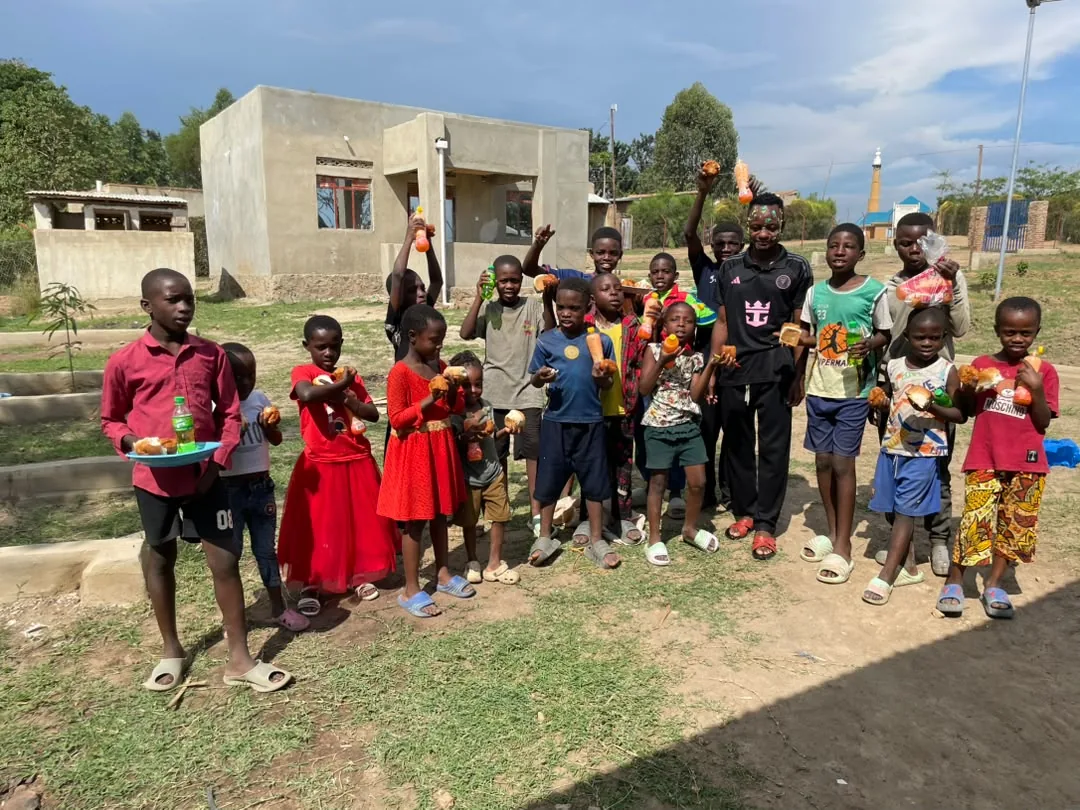
OUR VISION IS BIGGER THAN TREE PLANTING
I want these children to grow up seeing themselves not only through the circumstances surrounding them, but through the possibilities that exist within them. I do not want them to grow up believing that their future depends entirely on someone else coming to solve their problems or that their refugee status or economic situation determines the limits of what they can become. I want them to see themselves as ambassadors, changemakers, problem-solvers, environmental stewards, farmers, entrepreneurs, innovators, advocates, and community-development leaders who can create meaningful change where they live and beyond. I want every child to believe, “I have something to contribute, I can solve a problem, I can help my family, I can help my community, and my background does not determine the limits of my potential.” I want them to understand that having little today does not mean having nothing to offer tomorrow, because ideas, determination, knowledge, creativity, resilience, and compassion are also powerful resources. The world does not only need people who can describe poverty, climate change, food insecurity, and environmental degradation; it needs people who are prepared to develop practical solutions to those challenges. That is why our investment must go beyond helping children survive today—we must help them acquire the confidence, knowledge, skills, and opportunities to become part of building tomorrow.
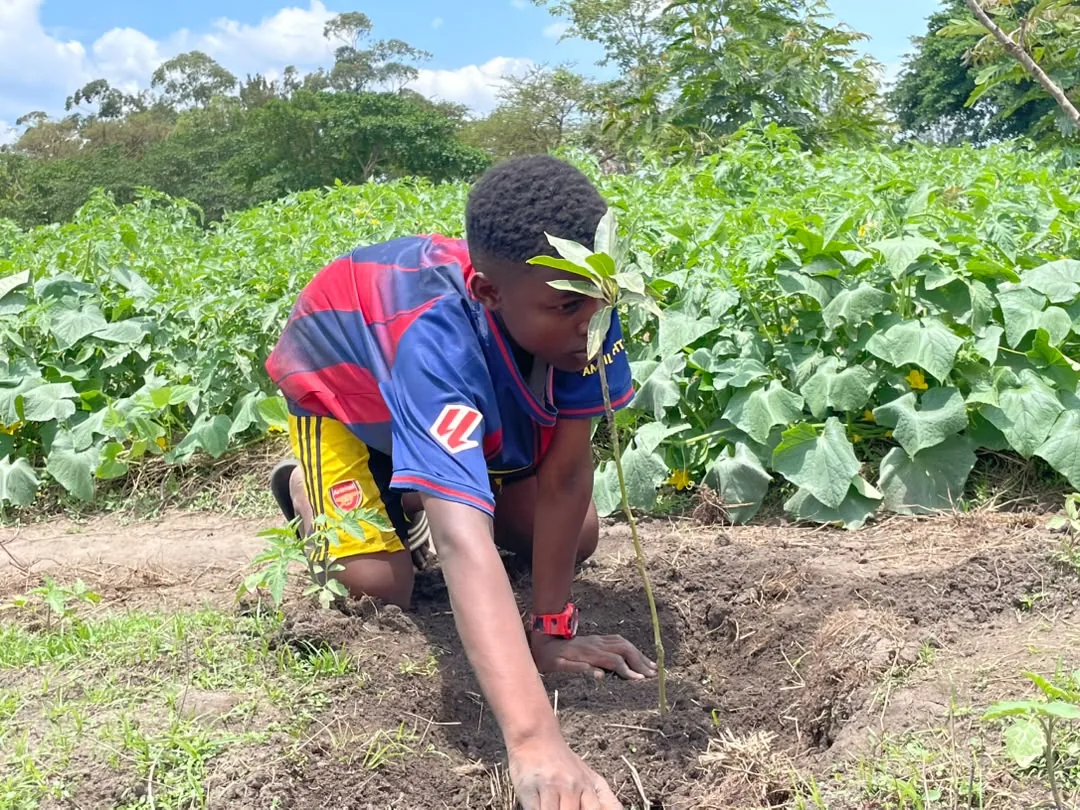
OUR NEXT GOAL IS TO REACH 2,000 CHILDREN BY NEXT YEAR
The 19 children and 254 trees with which we began are only the beginning, because our ambition is to reach 2,000 children by next year with practical knowledge, environmental education, agricultural skills, and opportunities to participate in building solutions for their communities. We want to take what began as one birthday activity and grow it into a wider movement where thousands of children can learn about tree planting, climate-smart agriculture, food production, soil health, environmental restoration, and community responsibility. Our goal is not simply to reach a larger number; it is to ensure that every child reached gains knowledge that can be practiced, shared with others, and carried into their families and communities. Imagine 2,000 young people learning that they can plant trees, grow food, protect soil, conserve water, restore degraded land, adapt to climate challenges, and become responsible stewards of their environment. Imagine those 2,000 children taking what they learn home and sharing it with parents, siblings, neighbours, friends, and other young people, allowing one lesson to travel far beyond the original training space. With the right partnerships, resources, technical expertise, and commitment, the 254 trees planted during my birthday can become the first visible chapter of a much larger initiative reaching 2,000 children by next year. Two hundred and fifty-four trees gave us a beginning; 2,000 children will give this vision a generation of young people capable of carrying it forward.
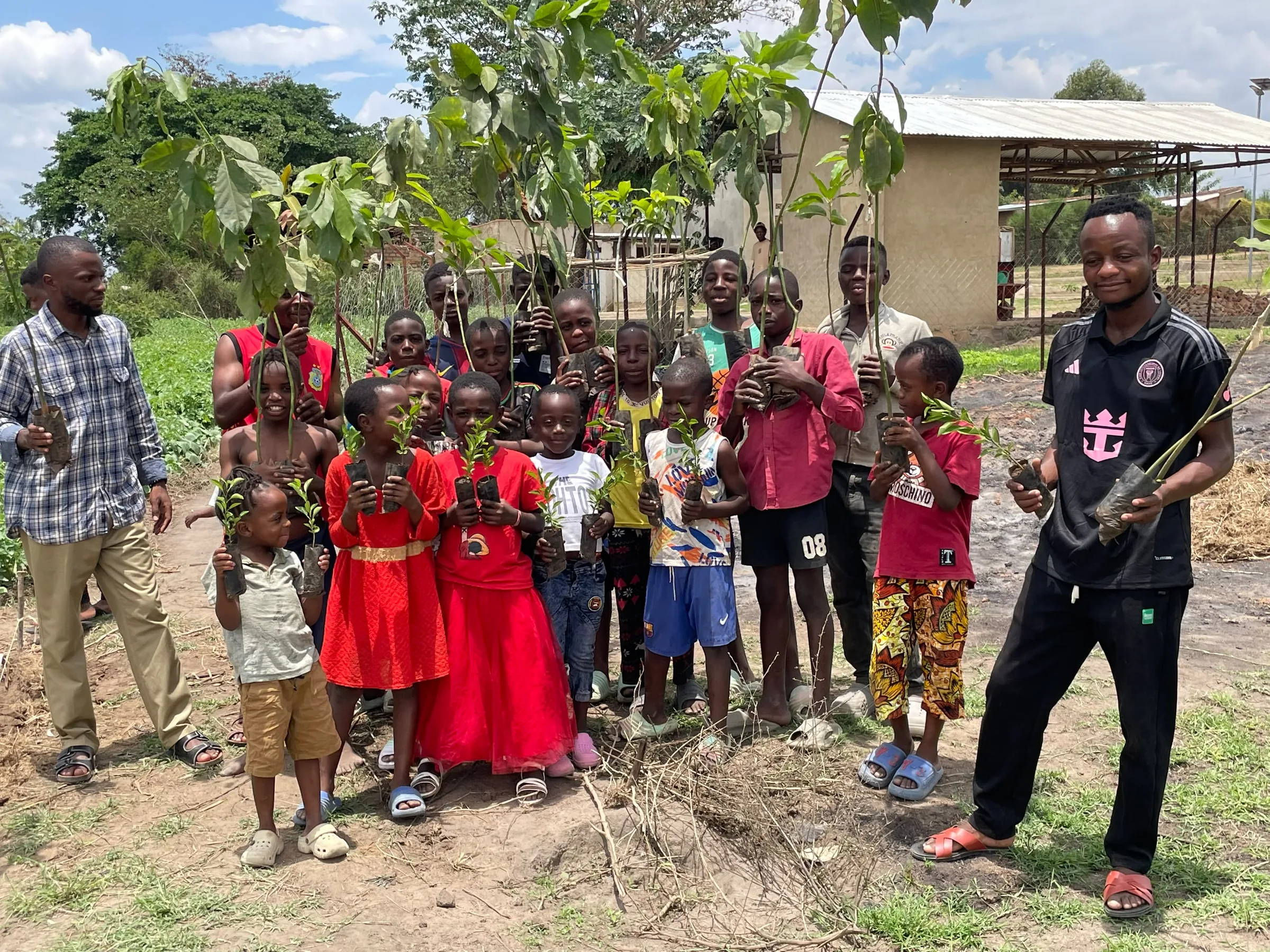
THE BIRTHDAY IS OVER, BUT THE WORK IS NOT
The birthday celebration lasted only one day, but our responsibility to the children and the trees we planted has only just begun. There is still available space where we can continue expanding this initiative and creating more opportunities for children to learn through practical environmental and agricultural activities. Every Wednesday and Saturday, we plan to return with the children to water the trees, remove weeds, monitor their growth, protect them, replace seedlings where necessary, and continue teaching them how to care for what they have planted. We do not want the 254 trees to remain merely a number in a report, a photograph on social media, or a beautiful memory from a birthday celebration. We want to see them survive, grow strong, produce fruit, provide shade, support healthier surroundings, and become living reminders of what children can accomplish when they are trusted with responsibility. Most importantly, we want the children to return years from now, look at those trees, and proudly say, “I planted this tree, I cared for it, and I watched it grow.” And as we work toward reaching 2,000 children by next year, we want to multiply that feeling of ownership, responsibility, and possibility across an entire generation.
FROM TREES TO FOOD SECURITY
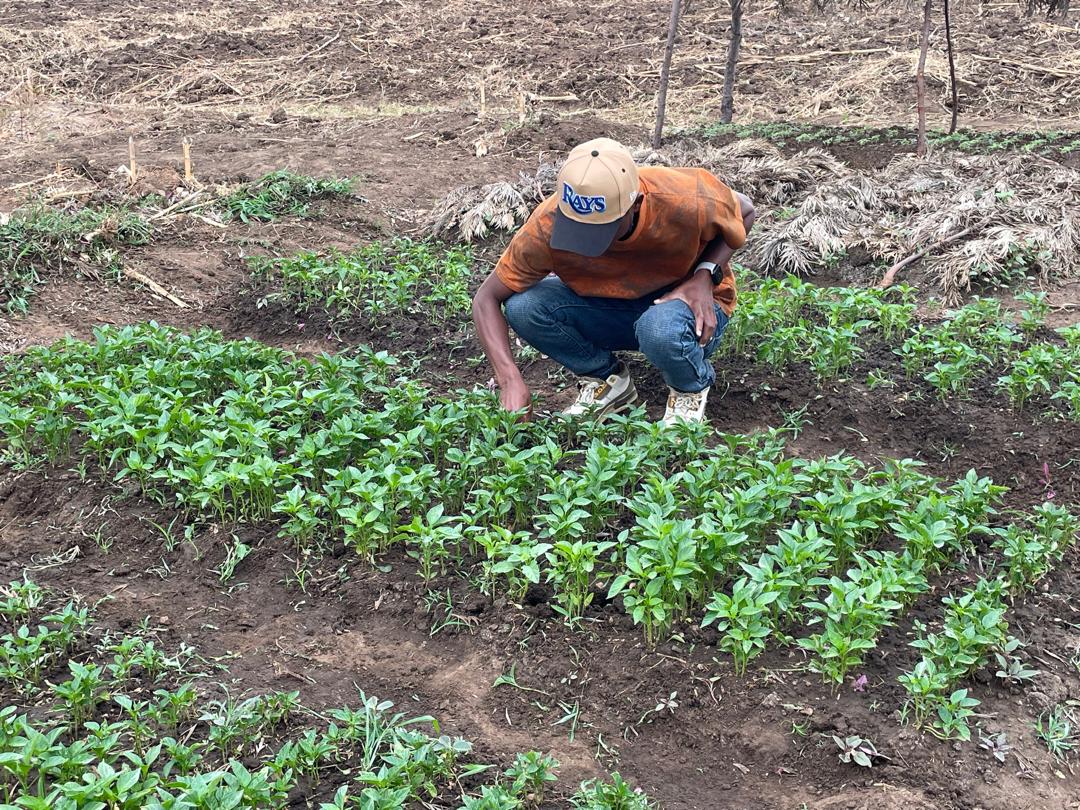
Our vision does not stop at planting trees because environmental restoration and food security are deeply connected to the future of these children and their families. Many vulnerable households face serious challenges in accessing sufficient food and stable livelihoods, while some families do not receive regular humanitarian food assistance. At the same time, agriculture remains one of the most important pathways through which communities can produce food, generate livelihoods, strengthen resilience, and build greater independence. However, farmers cannot be expected to respond effectively to changing climatic conditions when they lack practical knowledge about climate adaptation, sustainable agriculture, soil management, water conservation, and appropriate farming techniques. That is why we want to train these children in climate-smart and sustainable agriculture, so they can understand not only how to grow food but also how to protect the resources upon which food production depends. They will learn about climate-smart agriculture, climate adaptation and resilience, soil conservation and restoration, composting, organic soil improvement, water conservation, mulching, crop diversification, fruit-tree management, agroforestry, sustainable food production, and environmental restoration. Our hope is that, as we work toward reaching 2,000 children, they will grow into young people who can take this knowledge home, share it with their families, support their communities, and contribute to reducing vulnerability to climate impacts, environmental degradation, and food insecurity.
WE WANT THEM TO UNDERSTAND THE SOIL BENEATH THEIR FEET
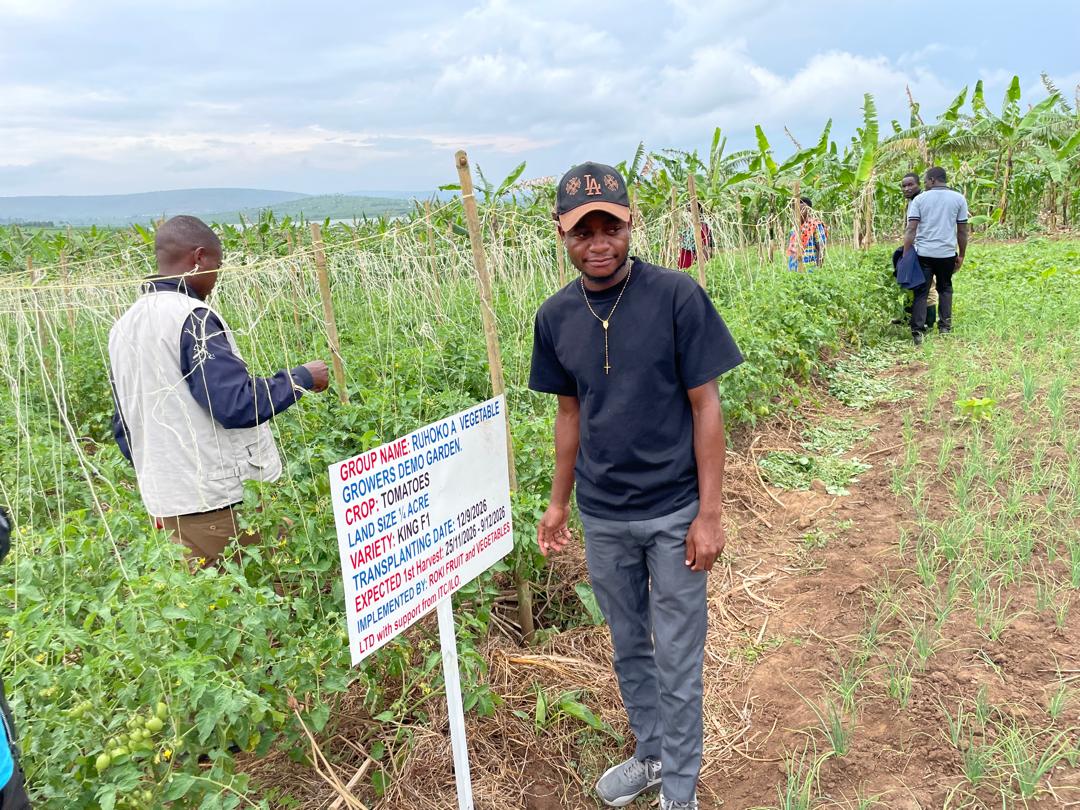
One of the challenges facing many smallholder farmers is that they cultivate land without knowing precisely what their soil contains, what it lacks, or what it needs to remain productive. Without that knowledge, farmers may select unsuitable crops, use inputs inefficiently, experience low productivity, or gradually lose the fertility of the land upon which their families depend. We want to introduce these young people to soil testing and basic soil interpretation so that they can begin understanding the relationship between soil health, crop selection, agricultural productivity, and environmental sustainability. They will learn about important soil characteristics such as pH, nutrients, and organic matter, and how this information can guide decisions about which crops are suitable and how soil can be improved. Imagine 2,000 young people gradually gaining the ability to understand these principles and carrying that knowledge into their households, gardens, farms, schools, and communities. Imagine a young person returning home and being able to tell their family, “This is what our soil contains, this is what our soil needs, these crops may be suitable for this land, and this is how we can improve our soil.” That is why soil testing is not simply a technical agricultural activity for us it is a pathway toward building community knowledge, strengthening resilience, and helping young people become practical sources of solutions within their own communities.
WHY THIS MATTERS NOW
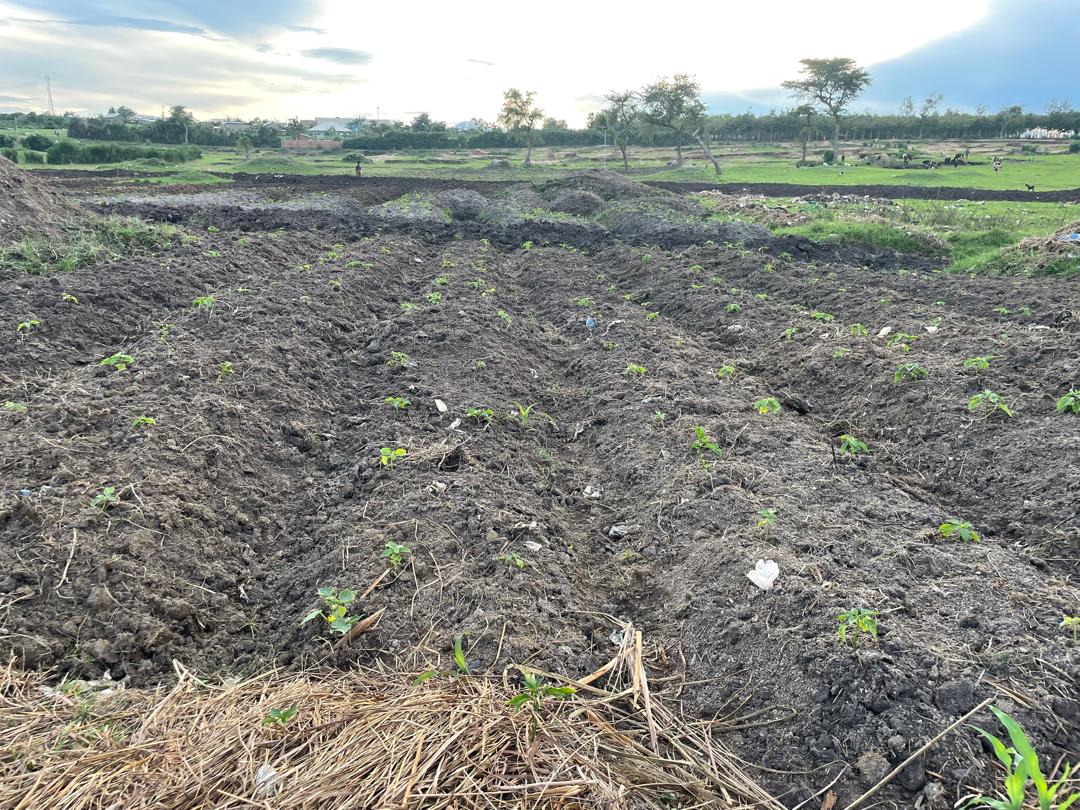
Humanitarian assistance has played and continues to play an important role in supporting vulnerable refugee communities, but the reduction or withdrawal of major sources of support has highlighted how important long-term community resilience and self-reliance are. When external assistance becomes limited, communities are often forced to confront difficult questions about how they will continue producing food, protecting livelihoods, responding to environmental challenges, and creating opportunities for future generations. We cannot build a sustainable future by waiting indefinitely for someone else to arrive and solve every challenge on our behalf, because lasting development also requires communities to develop their own knowledge, skills, leadership, and capacity to act. This does not mean abandoning humanitarian assistance where it remains necessary; rather, it means complementing humanitarian support with investments that enable communities to become stronger, more resilient, and increasingly capable of creating their own solutions.
We want to move from dependency toward resilience, from receiving knowledge toward creating and sharing knowledge, from waiting for solutions toward developing solutions, and from being beneficiaries toward becoming contributors. These children therefore need more than temporary assistance they need knowledge that stays with them, skills that cannot easily be taken away, opportunities to practice what they learn, practical tools to transform knowledge into action, and mentors who believe in their potential. If we can equip 2,000 children by next year with practical knowledge, skills, confidence, and opportunities, we will not simply be reaching a number we will be investing in a network of young people capable of carrying solutions into their homes and communities.
WE DO NOT WANT THEM TO GROW UP BELIEVING THEY HAVE NOTHING TO OFFER
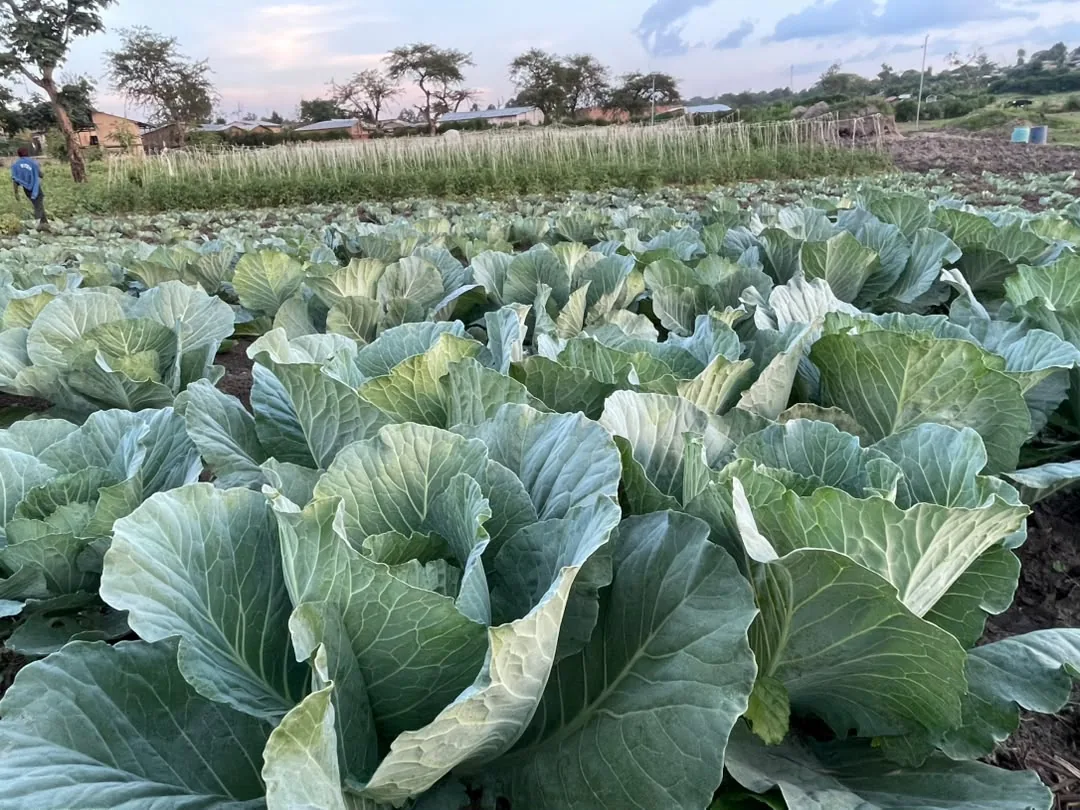
I want every child involved in this initiative to hear a message that is simple but powerful: your circumstances do not define your potential. A child may grow up in a refugee settlement, come from a family with very limited resources, or face opportunities that are different from those available to other children, but none of those circumstances should convince them that they have nothing valuable to contribute. One child may become a farmer who produces food for hundreds of people, another may become an environmental steward who protects land and water, another may become a scientist who develops agricultural solutions, and another may become an entrepreneur who creates opportunities for others. Another may become a community leader, climate advocate, teacher, researcher, engineer, agricultural expert, or changemaker who returns to the community that raised them and uses their knowledge to create opportunities for others. Perhaps one of these 2,000 children will develop an agricultural innovation that helps thousands of families, while another becomes an environmental leader whose work influences communities far beyond Nakivale. Perhaps another will establish an organisation that creates opportunities for young people, and another will return to this community and say, “I grew up here, but I did not allow my circumstances to limit my dreams.” That is the future we want to nurture a generation that does not see itself only as vulnerable or in need, but as capable, valuable, creative, responsible, and fully able to contribute to solving challenges that affect the whole world.
FROM DEPENDENCY TO DIGNITY
Our long-term vision is to contribute to a community that becomes increasingly self-sustaining, resilient, food-secure, environmentally responsible, knowledge-driven, innovative, and capable of creating solutions from within. We want children to understand that development is not something that simply happens to communities when someone from outside arrives with resources; development is also something communities can participate in designing, creating, leading, and sustaining. We want them to understand that refugees and vulnerable communities are not only recipients of global solidarity but can also become contributors of ideas, knowledge, skills, innovations, and solutions to global challenges. Climate change, food insecurity, environmental degradation, poverty, and inequality are not challenges that belong to only one community or one country, and the experiences and solutions emerging from communities like ours can contribute to the wider global conversation. Our goal is therefore not to reject support but to transform support into capacity, capacity into action, action into resilience, and resilience into greater self-reliance. We want to help create a future in which children grow up asking not only, “Who will help us?,” but also, “What can we learn, create, build, and contribute?” Because our circumstances may be difficult, but our potential is not, and if we can reach 2,000 children with knowledge, opportunity, mentorship, and practical skills, we can help nurture a generation increasingly prepared to contribute to its own development and to the wider world.
TEACH THEM. TRAIN THEM. EQUIP THEM. TRUST THEM.
That is the philosophy at the heart of this initiative: teach them, train them, equip them, give them responsibility, trust their potential, and create opportunities for them to lead. We believe that knowledge is powerful, but knowledge becomes transformative when people have the tools, resources, mentorship, and opportunities required to apply it in real life. That is why we are seeking partners who can help provide seeds, garden tools and equipment, watering equipment, soil-testing support and equipment, additional fruit-tree seedlings, agricultural training materials, demonstration gardens, technical expertise, and climate-adaptation training. We want children to move beyond simply listening to lessons and instead practice what they learn, experiment with sustainable agricultural techniques, observe results, learn from challenges, and share their experiences with their families and peers. Our ambition to reach 2,000 children by next year means we need to build a strong network of trainers, agricultural experts, environmental organisations, schools, universities, community organisations, and other partners who can help us take this learning to more children. We want knowledge to move from the training space into household gardens, from household gardens into communities, and from communities into a wider culture of resilience, food production, environmental responsibility, and innovation. Our message is simple: teach them, train them, equip them, let them practice, let them teach others, let them reach others, and most importantly, give them the opportunity and trust to lead.
THIS IS A CALL FOR PARTNERSHIP
254 trees are already in the ground, but the real journey has only just begun. There are children ready to learn, land waiting to be cultivated, soil waiting to be understood, gardens waiting to be established, families who want to produce food, and young people who are ready to become useful contributors to their communities. Our next ambition is clear: to reach 2,000 children by next year and give them meaningful opportunities to learn, practice, lead, and share knowledge. To achieve that, we are calling on environmental organisations, agricultural organisations, universities, research institutions, NGOs, community-based organisations, foundations, philanthropic organisations, seed companies, agricultural suppliers, climate organisations, food and water security organisations, technical experts, and individuals who believe in the potential of children. If you can provide seeds, garden tools, watering equipment, soil testing, fruit-tree seedlings, agricultural training, technical expertise, demonstration gardens, climate-smart agriculture support, or financial resources, there is a place for you in this journey. Even if you cannot provide materials directly, connecting us with an institution, expert, organisation, supplier, university, or individual who can help could become one of the most important contributions you make to this initiative. We cannot do this alone, but together we can turn 254 planted trees into a movement that reaches 2,000 children and gives them the knowledge, skills, confidence, and opportunities to help build a more resilient future.
WE ARE NOT ASKING FOR PITY. WE ARE ASKING FOR PARTNERSHIP.
There is a profound difference between helping someone because you see only their vulnerability and partnering with someone because you see their potential. We do not want these children to be viewed only through the lens of poverty, displacement, need, or vulnerability; we want the world to see their intelligence, creativity, resilience, dreams, and ability to contribute. We are not looking for people who simply give something once and walk away; we are looking for people who are willing to walk alongside these children, teach them, equip them, encourage them, mentor them, and believe in what they can become. The purpose of partnership is not to create permanent dependency but to help transform opportunities into knowledge, knowledge into skills, skills into action, and action into greater dignity and resilience. Our ambition to reach 2,000 children is therefore not simply a target on paper; it represents 2,000 opportunities to tell a child, “You matter, your knowledge matters, your ideas matter, and you have something to contribute.” We want to create pathways through which a child who once needed assistance can grow into a farmer, entrepreneur, scientist, environmentalist, advocate, community leader, or changemaker who creates opportunities for others. The goal is dignity, the goal is resilience, the goal is opportunity, the goal is self-reliance, and ultimately the goal is a community increasingly capable of creating solutions for itself.
A BIRTHDAY THAT BECAME A PROMISE
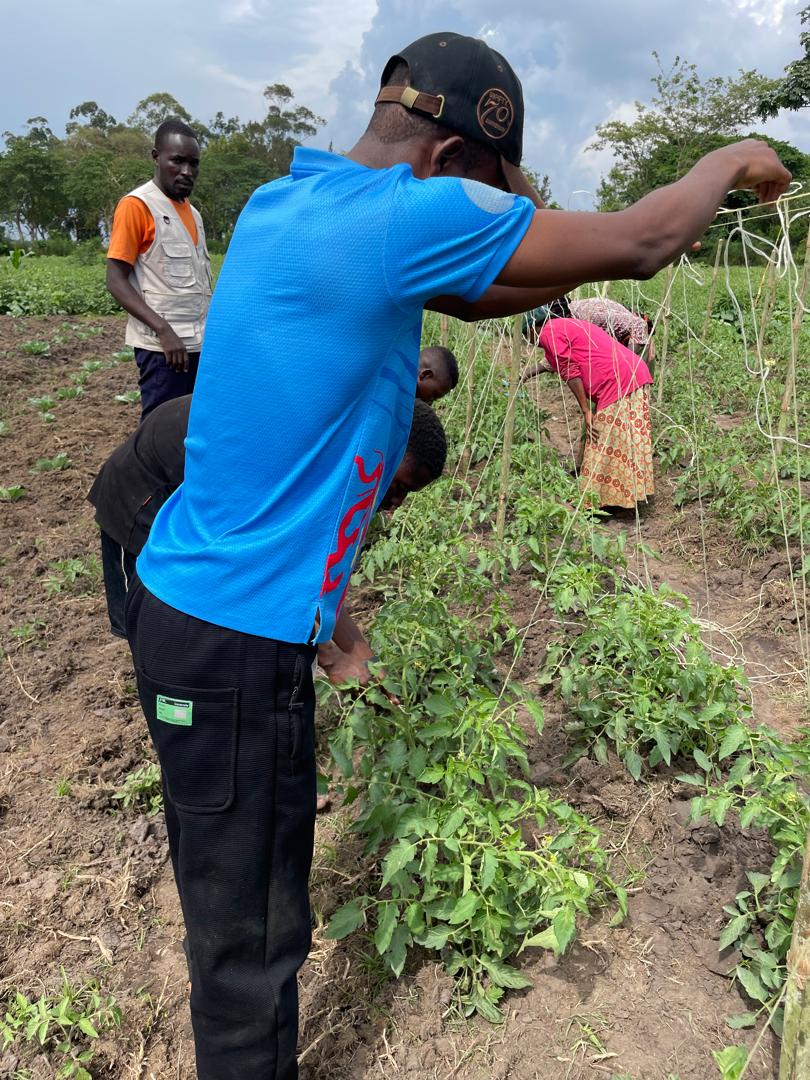
When I look back at this birthday, I know I will remember much more than the messages, gifts, and wishes I received. I will remember the children's hands in the soil, their smiles, their questions, their excitement, and the moment they realized that they were responsible for something living. I will remember the 254 trees, but even more importantly, I will remember the responsibility that came with planting them and the promise that we made to continue caring for them. A birthday may last one day, but a tree can live for decades, a celebration may last a few hours, but knowledge can influence generations, and a gift may be used once, while a seed can produce food again and again. That is why I chose to celebrate my life by investing in life itself I planted trees, but I also planted knowledge, responsibility, confidence, dignity, and hope. Now I am inviting others to become part of what comes next, because the trees are planted, the children are ready, the vision is alive, and our next chapter is to carry this vision to 2,000 children by next year. Let us not only plant trees; let us plant knowledge, dignity, resilience, food security, leadership, opportunity, and hope and together let us grow a generation that does not only ask, “Who will help us?” but grows up asking, “What can we do to help?”
BECOME PART OF THE STORY
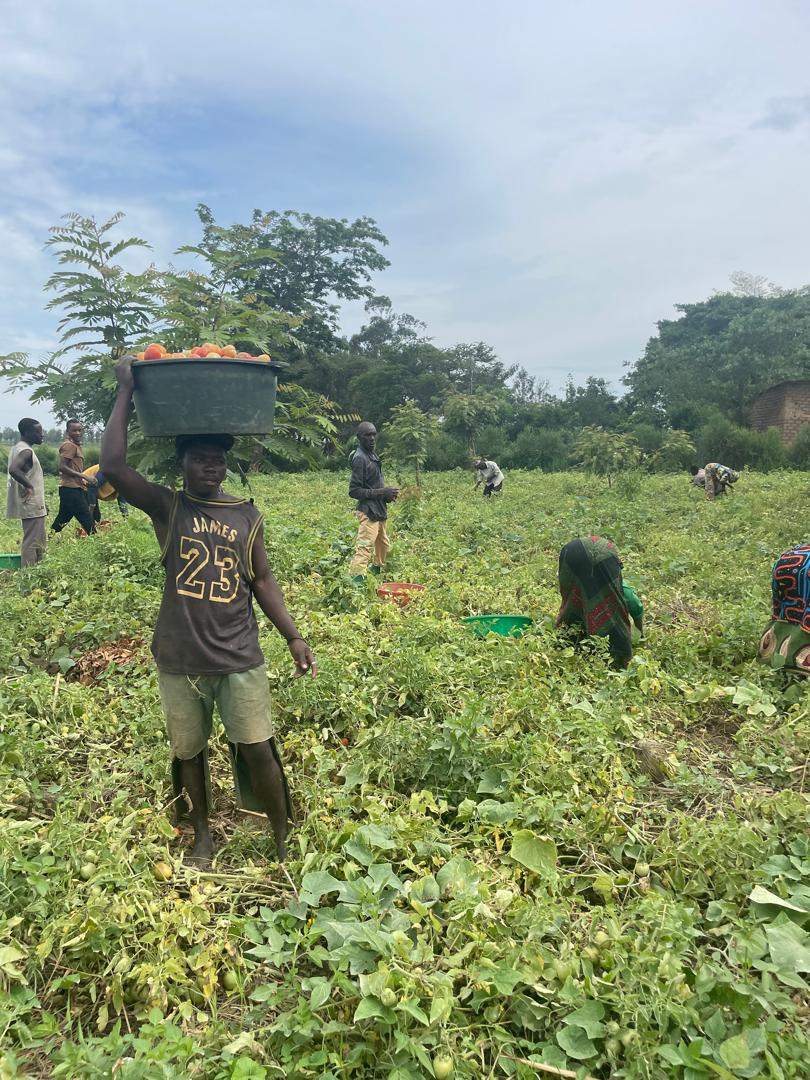
If you believe these children have something meaningful to contribute to the future of our communities and our world, then this is an invitation not simply to read their story but to become part of it. Your support could become a seed placed into the hands of a child, and that seed could become food, income, knowledge, confidence, resilience, and opportunity. Your contribution toward a garden tool could help a child learn by doing, while your support for soil testing could help a family understand its land and make better agricultural decisions. Your provision of fruit-tree seedlings could help expand the initiative, while your technical expertise could equip young people with skills they can carry for the rest of their lives. Your organisation could provide training, your university could offer technical partnership, your company could support equipment, your foundation could fund the next phase, or your personal contribution could help us reach more children with the resources they need to learn and practice. Whatever form your partnership takes, the greatest value will be measured not only by what is provided today but by what these children are empowered to create tomorrow. The trees are already in the ground, the children are ready, and the vision is alive now let us work together to turn 19 seeds of hope into a generation of 2,000 young ambassadors, changemakers, problem-solvers, environmental stewards, and community-development leaders. If you believe in their potential, don't just read this story. Become part of it. Help us give them the seeds, tools, knowledge, technical support, mentorship, and opportunity to grow.
About the Author
Samuel Ombeni is a dedicated humanitarian and community development practitioner based in Uganda. He is deeply passionate about empowering vulnerable populations, specifically refugees, women, youth, and orphans through sustainable development, environmental conservation, and economic empowerment. Serving with African Youth Integrated for Socio-Economic Development (AYISD), Samuel leads grassroots initiatives in climate-smart agriculture, soil regeneration, youth entrepreneurship, and tree planting to help displaced communities move from aid dependency to lasting self-reliance.